Assessing the Long-Term Impacts of a Scientific Sites Project (Lab Ethnography) on Student Research Experiences
Mentor(s): Marisa Brandt
Description: Since 2016, the collaborative model of LB 133, the Science + Society first-year course design that I have taught with several other instructors has included a project called Scientific Sites. In this project, teams of students collaboratively study a laboratory or research group on campus in order to address the question, "How does this scientific site produce knowledge?"
I would like to work with my Fellow to design and conduct a survey of past students—with perhaps an opportunity for follow-up focus groups—to assess the long-term impacts of this assignment on their interest, comfort, and overall success in participating in research as undergraduates, and potentially even graduate students. I am curious how the project may have impacted whether students' sought out research experiences during their time in MSU, their sense of preparedness for research if they did so, and their overall sense of empowerment in finding a research environment in which they could learn, grow, and thrive.
Skills the mentor(s) anticipate the Fellow might need: I would like to work with a Fellow who has experience with, or at least a strong interest in developing skills in survey and potentially focus group work to develop this project. This is essential. Some familiarity with experiential learning and/or having students study professionals in their fields as part of learning would also be handy.
Preferred start date: Mid May 2026 or Mid August 2026

Developing a cross-disciplinary biology lab: From predators and prey to DNA and genes
Mentor(s): J.P. Lawrence
Description: Biology, as a whole, is a broad and complex topic, which manifests itself as multiple classes as the university level. Undergraduate students, early in their academic careers, tend to take introductory biology classes which are often subdivided into "macro" subjects like ecology and evolution and "micro" subjects like genetics and cell biology. Because these are different classes, students often compartmentalize the material in each which necessitates "relearning" concepts when they go from Introductory Biology 1 to Introductory Biology 2.
As biology, and in particular the topics covered in these introductory courses, is interconnected, it is important for students to see and understand, for example, how ecological success can be traced back to the alleles that make certain phenotypes more or less successful in their environment. Getting students to understand how these different concepts are related can be a challenge. The purpose of this project is to design a two-part lab that is meant to connect these macro and micro subjects together so that students can better understand the connection between them. In short, students will investigate how predators select prey (using clay models), which will be done during their first semester (Introductory Biology 1) and then work on identifying those predators using molecular techniques (e.g., eDNA detection) for their second semester (Introductory Biology 2). The project will develop the pilot course with upper level undergraduate students (~24) for eventual implementation for introductory biology classes.
Skills the mentor(s) anticipate the Fellow might need: I would be interested in working with a fellow who has a strong interest in curriculum design and a familiarity with ecology, evolution, and molecular techniques. This project will involve development of resources (e.g., procurement of peer reviewed papers) and assignments to help guide students through these ecological, evolutionary, and molecular topics. I anticipate this ultimately being published, so I would like a fellow interested in taking lead in publication of our findings.
Preferred start date: Mid August 2026
Developing instructional strategies to deepen undergraduate learning in the age of generative AI
Mentor(s): Michele Jackson
Description: Higher education is of two minds when it comes to generative AI. One the one hand, AI demonstrates astounding capabilities that offer tremendous potential for research and scholarship. On the other hand, these capabilities confront some fundamental assumptions and precepts about how we teach and how students learn. The most common instructional response to this point has been to try to contain or control student use of the technology. This project takes a different tack and accepts generative AI as a part of today's instructional environment. Instead of focusing on containing AI to preserve traditional methods of teaching and learning, we will identify practices for learning in this new era and how instructional strategies can support those new practices. Even more challenging is that AI capabilities and application development continues to emerge. This makes it an interesting and engaging area for research.
This project is part of a larger ongoing research program that explores the uses and impacts of generative AI on teaching and learning in higher education. This project explores how to help undergraduate students (1) engage in deeper content learning, (2) strengthen their capabilities for self-regulated learning, and (3) identify and support their personal learning goals. In Fall 2026, we will implement, assess, and refine strategies that emerged during the course in Fall 2025. In Spring, we will analyze results using multiple analytic research methods (e.g., content analysis, interviews, observation). We will also create guidebooks for instructors and/or students and disseminate as open educational resources.
Skills the mentor(s) anticipate the Fellow might need: This opportunity does not require specific disciplinary knowledge or advanced technical expertise, but the fellow should (1) have experience collecting and/or analyzing empirical data using social scientific methods, (2) have basic understanding of generative AI terminology (e.g., LLMs, prompting, tokens) and applications (e.g. chatGPT, Copilot, Claude), (3) be comfortable communicating and contributing in group contexts, and (4) enjoy thinking imaginatively and from new perspectives. Must be available classes at least once per week during the Fall 2026 term (Mondays and/or Wednesdays, from 3:00-7:00 p.m.)
Preferred start date: Mid August 2026

Understanding Neurodivergent Students’ Experiences with Group Work in an Introductory Biology Course
Mentor(s): Ariel Steele
Description: Group work is an increasingly common practice in introductory STEM courses and evidence suggests group work can improve student learning and academic performance. While group work has many benefits, such as improved learning and development of leadership, critical thinking, and teamwork skills, students also report barriers and negative experiences with group work, including unequal work distribution, interpersonal conflicts, and increased anxiety.
There is also evidence to suggest group work may impact the experiences of certain groups of students differently from their peers. The number of students who identify as neurodivergent has been increasing, however, there is limited research on the experiences of neurodivergent students in STEM. This project seeks to contribute to a growing body of research on neurodivergent students’ experiences with group work in introductory biology courses, specifically focusing on the barriers students’ experience with group work and what strengths they bring to their groups when working in small teams.
Skills the mentor(s) anticipate the Fellow might need: Fellows with experience with qualitative research, specifically with designing interview protocols, conducting semi-structured interviews, and analyzing qualitative data would be preferred. Familiarity with (or interest in learning about) disability justice and/or critical disabilities studies is also preferred.
Preferred start date: Mid May 2026
From Concern to Success: Evaluating Outreach as a Retention Strategy in Lyman Briggs College
Mentor(s): Carmen Ruiz-Sanchez
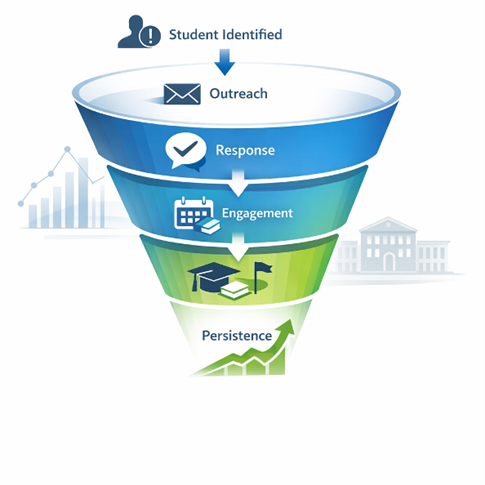
Description: This project examines student outreach as a high-impact retention practice by exploring how students respond after being identified as “students of concern” through mechanisms such as early warning reports, academic standing, low term GPAs, or faculty and advisor concern. The study focuses on whether and how advisor-initiated student contact leads to engagement behaviors associated with persistence, including responding to advisors, scheduling and attending appointments, using recommended resources, completing the semester, and remaining enrolled. Using a two‑phase design, the project first evaluates the effectiveness of current outreach practices by analyzing response rates, time to response, engagement patterns, and short‑term persistence outcomes, and then builds on these findings to identify and, where possible, pilot targeted changes to outreach design, such as message framing, clarity, and sequencing, to assess whether small, intentional adjustments can meaningfully increase student engagement and retention‑relevant behaviors.
Skills the mentor(s) anticipate the Fellow might need: This project seeks a Fellow with strong interest in data‑informed research on student success and retention, and with skills that support both quantitative and qualitative inquiry. Because the project involves analyzing patterns of student engagement following student outreach, comfort working with institutional data, such as organizing datasets, conducting descriptive analyses, and interpreting trends is important. At the same time, study may require complementary qualitative approaches, such as coding and analyzing advising communications, open‑ended responses, or reflective notes to better understand how students experience outreach. Experience with quantitative tools (e.g., Excel, SPSS) and/or qualitative methods (e.g., thematic coding) is beneficial. Through this project, the Fellow will gain mentorship in analyzing institutional data and in understanding outreach as an applied student success practice, including the challenges, equity considerations, and communication choices that influence whether students engage with support
Preferred start date: Mid August 2026
Careers IRL: Taking an Evidence-Based Approach to Informing Career Education Curriculum
Mentor(s): Krysta Foster, Shahnas Masani, Stephanie Calloway & Sarah Dickinson
Description: Helping students to prepare for their career journeys is a critical component of their college experience. For too long this work has occurred outside the classroom, putting the onus on students to navigate often unfamiliar territory as they seek out resources and guidance to help them reach their goals. Here at LBC our career team and faculty have collaborated to begin incorporating career education work into disciplinary learning, helping students to make meaning of their experiences in the classroom and connecting the skills they've gained to their future careers.
As part of an ongoing effort to assess this work and to prepare to develop a new curriculum, we aim to uncover common themes across multiple qualitative sources including graduating senior and alumni surveys as well as classroom focus group feedback. Using the data we collect to inform curriculum design, our team will work to evaluate current curriculum and develop new content as we seek to make career support accessible for all students here at LBC.
Skills the mentor(s) anticipate the Fellow might need: We seek a fellow who brings experience and/or an interest in qualitative data coding and instrument design, while prior experience is valued, we are also committed to training this fellow in these techniques as part of our commitment to hands-on learning experience. Most importantly, we hope to work with a SUTL fellow with a deep interest in improving accessibility for students, and someone who is excited to collaborate across disciplines to make this work possible. All disciplines are welcome to apply!
Preferred start date: Mid August 2026
LBC First-Year Experience: Peer- Facilitated First-Year Seminar
Mentor(s): Dominique Green
Description: Lyman Briggs College is launching a student-led, peer-facilitated First-Year Seminar, which provides an engaging and supportive space for students to explore their transition to college life through the lens of the eight dimensions of well-being, self-discovery, community building, and sense of belonging. Rooted in collaboration and mentorship, this seminar is led by experienced upper-class peer mentors who guide discussions, foster meaningful connections, and encourage personal and academic growth.
Through interactive activities and reflective dialogue, students develop a deeper sense of purpose while building a supportive network within the close-knit, residential learning environment of Lyman Briggs College. We are looking for a Fellow who is eager to be part of the foundation of the full-scale launch of the First-Year Seminar at Lyman Briggs College that will have a positive effect on the college experience of 450+ incoming students. We will develop and conduct pre-, mid-semester, and post-assessments, as well as focus groups. These assessments will help us measure the seminar’s impact on student growth in areas such as time management, goal setting, resource navigation, and community building.
Skills the mentor(s) anticipate the Fellow might need: We are seeking a Fellow with a strong interest in but not limited to educational assessment, student success initiatives, and peer mentorship. Critical skills include data collection and analysis. Strong written and verbal communication skills are also essential for crafting surveys, summarizing findings, and presenting recommendations. Beneficial but not required skills include experience with survey tools (Qualtrics, Google Forms, etc.), basic statistical analysis, and familiarity with student development theories. While prior experience in assessment design is helpful, we are happy to provide mentorship in this process. Most importantly, we seek a Fellow who is collaborative, detail-oriented, and passionate about supporting first-year student success.
Preferred start date: Mid May 2026

Leveraging Students’ Cultural Resources to Support the Learning of Physics Concepts Through Formative Assessment
Mentor(s): Clausell Mathis
Description: This ongoing project focuses on the development and implementation of formative assessments for undergraduate General Physics I and II courses designed specifically for life science majors. The study includes both treatment and control groups. The treatment group will engage with newly developed formative assessments that are intentionally designed to leverage students’ cultural resources, such as their lived experiences, community knowledge, linguistic practices, and disciplinary identities, as assets for demonstrating understanding of physics concepts. The control group will receive standard instructional practices and traditional assessments. Comparisons between the two groups will allow us to examine the impact of culturally grounded assessment practices on student learning outcomes.
The fellow will contribute to the design and refinement of these culturally responsive assessments, ensuring alignment with core disciplinary ideas and scientific practices. The fellow will also assist in organizing and analyzing student responses to examine evidence of disciplinary learning, engagement in scientific practices, and the quality of students’ causal explanations. In addition, the fellow will play an active role in preparing manuscripts for publication based on findings from the comparative data analysis between treatment and control groups.
Skills the mentor(s) anticipate the Fellow might need: The fellow should have skills in both quantitative and qualitative data analysis, a strong foundation in physics content knowledge, and a demonstrated interest in learning and professional growth.
Preferred start date: Mid May 2026
Title: Assessing the Long-Term Impacts of a Scientific Sites Project (Lab Ethnography) on Student Research Experiences
Mentor(s): Marisa Brandt
Description: Since 2016, the collaborative model of LB 133, the Science + Society first-year course design that I have taught with several other instructors has included a project called Scientific Sites. In this project, teams of students collaboratively study a laboratory or research group on campus in order to address the question, "How does this scientific site produce knowledge?" I would like to work with a Fellow to design and conduct a survey of past students—with perhaps an opportunity for follow-up focus groups—to assess the long-term impacts of this assignment on their interest, comfort, and overall success in participating in research as undergraduates, and potentially even graduate students. I am curious how the project may have impacted whether students' sought out research experiences during their time in MSU, their sense of preparedness for research if they did so, and their overall sense of empowerment in finding a research environment in which they could learn, grow, and thrive.
Skills the mentor(s) anticipate the Fellow might need: I would like to work with a Fellow who has experience with, or at least a strong interest in developing skills in survey and potentially focus group work to develop this project. Some familiarity with experiential learning and/or having students study professionals in their fields as part of learning would also be handy.
Preferred start date: Mid May 2025 or Mid August 2025
Title: LBC First-Year Experience: Peer- Facilitated First-Year Seminar
Mentor(s): Dominique Green
Description: Lyman Briggs College is piloting a student-led, peer-facilitated First-Year Seminar in Fall 2025. The seminar goal is to provide an engaging and supportive space for students to navigate their transition to and through the first year. Utilizing interactive activities through the lens of the eight dimensions of well-being, self-discovery, and community building. Guided by experienced peer mentors, students will develop essential skills such as time management, goal setting using SMART goals, and academic planning in collaboration with advisors. They will become experts on campus resources and build a strong foundation for their resume and cover letter through partnership with the LBC Career Team. Through engaging in discussions, self-reflection and collaborative learning, students will cultivate meaningful connections and gain practical tools for success. The seminar culminates in a group project where students share the most impactful resources and strategies that have supported their transition, reinforcing their learning and contributions to the Lyman Briggs community. To assess the seminar’s impact, evaluation efforts will focus on collecting and analyzing data on student experiences, learning outcomes, and overall program effectiveness. Surveys and other assessment tools will be developed to measure how well the seminar supports student success, with findings used to refine the program and guide its expansion from the 175-student pilot to over 600 students by Fall 2026.
Skills the mentor(s) anticipate the Fellow might need: We are seeking a Fellow with a strong interest in peer mentorship, student success initiatives, and educational assessment. Critical skills include data collection and analysis. Beneficial but not required skills include experience with survey tools (Qualtrics, Google Forms, etc.), basic statistical analysis, and familiarity with student development theories. While prior experience in assessment design is helpful, we are happy to provide mentorship in this process. Most importantly, we seek a Fellow who is collaborative, detail-oriented, and passionate about supporting first-year student success.
Preferred start date: Mid May 2025

Title: Expanding ACCESS to teaching teams
Mentor(s): Rachel A Barnard & Shahnaz Masani
Description: Despite the many systemic barriers that exist, STEM faculty often fail to recognize structural inequities, instead perpetuating race-evasive narratives that inaccurately attribute disparities to individual student characteristics (Russo-Tait, 2022). Undergraduates also hold similar race-evasive beliefs, and those that do are less likely to identify or challenge racial microaggressions. Learning Assistants (LAs) are near-peer educators, bridging hierarchies between students and instructors. Yet, LAs often do not receive sustained training on equitable teaching, and little is known about how they understand or enact equity (Barron et al., 2021). Further, we have found that without explicit training, LAs can engage in the same harmful, dominant narratives that perpetuate racial inequities. For the last two years, we have run a cohort-program concurrent with ULA experience called ACCESS (Advancing ULA critical consciousness for equitable leadership and student success). The ACCESS fellowship introduces LAs to Critical frameworks, bridging theory and practice to develop their “racial noticing lens”. Through this, we have found shifts in LAs’ ability to recognize and challenge dominant racial narratives. However, noticing and challenging inequities, as with any learning is a socio-cultural process- this means that when the learning (the fellowship) is separated from the doing (the classroom and disciplinary teaching team) it poses a major barrier to enacting equity and justice. Thus, through this SUTL project, the graduate fellow will work with faculty and the ACCESS fellows to co-develop short modules and activities. Fellows will lead these activities at weekly teaching team meetings, thus bringing their learning from the fellowship into their disciplinary teaching spaces and shifting the culture of the team to develop their structural noticing lens. Further, the SUTL fellow will help design and implement an assessment plan to better to assess the impacts of this experience on the ACCESS fellows and the teaching teams, as well as to identify the affordances and challenges of bringing in Critical pedagogy into a STEM higher education space through a ground-up approach, where the undergraduate fellows are positioned experts that lead teams of faculty, graduate students, and other undergraduate LAs.
Skills the mentor(s) anticipate the Fellow might need: The fellow will need to come with an understanding of the socio-historical role of race in the United States, as well as the racial structures that continue to allocate resources differently on the basis of race. This could include knowledge of Racial and Race-Evasive discourses, Critical pedagogical frameworks etc. Additionally, knowledge of qualitative research methodologies including interview design, conducting and analyzing interviews etc. is desired
Preferred start date: Mid May 2025

Title: Concepts in Science and Society: A Pilot Introductory Course Review
Mentor(s): Andrea Kelley
Description: Lyman Briggs College is shaping the future of its Science and Society curriculum, and this project offers a unique opportunity to be part of that work. LB2XX: Concepts in Science and Society is an online, asynchronous, 2-credit pilot course introducing students to the arts, humanities, and social sciences in the context of Science and Society. Currently in its first pilot semester, the course will expand from 9 to 30 students in SS26. The Fellow will play a key role in evaluating student experiences through post-semester focus groups, refining and scaling the course, and analyzing data to inform future development. With access to the LBC Qualitative Research Lab and its resources the Fellow will gain hands-on experience in qualitative research, curriculum development, and educational assessment.
Skills the mentor(s) anticipate the Fellow might need: I am seeking a Fellow with previous experience in qualitative data collection and analysis. I would prefer some previous experience using NVivo software and/or facilitating focus groups. The Fellow should have interests in justice-centered pedagogy, alternative assessment techniques, and interdisciplinarity.
Preferred start date: Mid May 2025
Title: EPICC (Exploration & Purpose Integrated Core Curriculum) Graduate Fellowship Program
Mentor(s): Krysta Foster & Shahnaz Masani
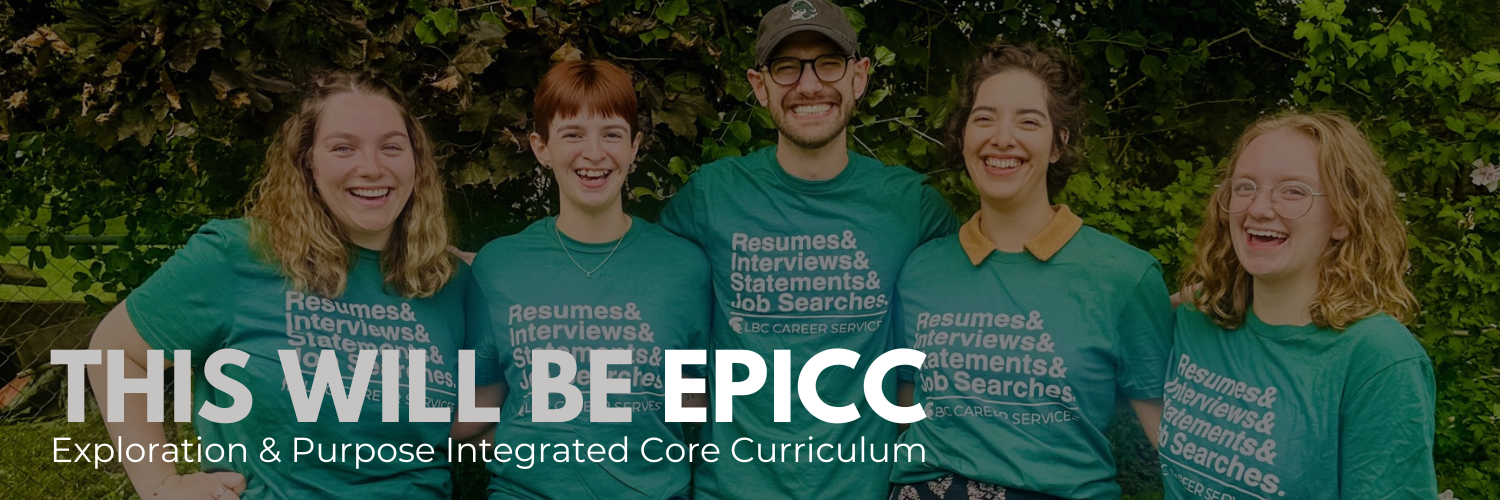
Description: In an effort to build on progress made in incorporating career exploration and skill development, LBC's EPICC (Exploration & Purpose Integrated Core Curriculum) graduate participants will help the LBC Career team to expand our reach for career education, educate and empower our undergraduate students, and provide meaningful learning and working experiences for graduate students. EPICC grads will help with the delivery and assessment of career education interventions in undergraduate courses at Lyman Briggs College, including LB144 and the new First Year Seminar course, as well as the development of other career curriculum in collaboration with LBC faculty (early ideas and interest include LB492 courses, Physics, etc.). We will continue to assess the impact of our work in both courses on self-efficacy, STEM career identity and belonging, and eventually hope to assess the long-term impacts of these interventions on student success (retention, persistence) and post-graduation outcomes.
Skills the mentor(s) anticipate the Fellow might need: Students working with the EPICC program should possess the ability to present material in a clear, concise, and energetic manner; we will provide training especially around the specific content topics. Furthermore, students should possess an interest in teaching and be committed to creating an equitable learning experience for all undergraduate students. Quantitative and qualitative data analysis and coding skills preferred but not required.
Preferred start date: Mid May 2025 or Mid August 2025

Title: Leveraging Students' Cultural Resources to Engage with Physics: Developing Culturally Responsive Curricular Materials
Mentor(s): Clausell Mathis
Description: This project focuses on developing, implementing, and assessing culturally responsive curricular materials in undergraduate physics courses at MSU. Recognizing that traditional physics instruction often excludes students' cultural backgrounds and lived experiences, this project seeks to design lessons and assessments that integrate students’ cultural resources as assets for learning. Using a design-based research approach, we will co-develop instructional materials with faculty and students, investigate how these materials influence student engagement and understanding, and refine them iteratively based on classroom data. The Fellow will assist in curriculum development, classroom observations, qualitative data collection (focus groups), and analyzing students’ responses to culturally situated physics tasks. This project will contribute to broader efforts in physics education reform by making physics more inclusive and relevant to diverse student populations.
Skills the mentor(s) anticipate the Fellow might need: Critical Skills (must have or be willing to develop quickly): interest in physics education and culturally responsive teaching, willingness to engage with qualitative research methods (thematic analysis), strong writing and communication skills for developing instructional materials. Beneficial Skills (helpful but not required): background in physics or physics education research, experience with curriculum design or instructional material development, familiarity with equity and inclusion frameworks in STEM education, basic coding skills for qualitative data analysis (e.g., NVivo, Dedoose)
Preferred start date: Mid May 2025
Title: Developing instructional strategies to deepen undergraduate learning in the age of generative AI
Mentor(s): Michele Jackson
Description: Higher education is of two minds when it comes to generative AI. One the one hand, genAI demonstrates astounding capabilities that offer tremendous potential for research and scholarship. On the other hand, these capabilities confront some fundamental assumptions and precepts about how we teach and how students learn. The most common instructional response to this point has been to try to contain or control student use of the technology. This project takes a different tack and accepts generative AI as a part of today's instructional environment. Instead of focusing on containing it to preserve traditional methods, we will focus on what practices students need to use in order to learn in this new era and how instructional strategies can support those new practices. The answers are not clear, and made more difficult by the rapid evolution of generative AI capabilities and by the "learning" nature of the machine learning itself. This makes it an interesting and engaging area for research. This project is part of a larger ongoing research program that is exploring the uses and impacts of generative AI on teaching and learning in higher education. We will focus specifically on exploring how to help undergraduate students (1) engage in deeper content learning, (2) strengthen their capabilities for self-regulated learning, and (3) identify and support their personal learning goals (selfish learning). Working collaboratively with undergraduate students and instructional design professionals, we will develop and iteratively refine a set of strategies during two sections of LB492 in the Fall term. We will pilot the strategies with student participants in the Spring and assess their efficacy using multiple analytic research methods (e.g., content analysis, interviews, observation). We will also create guidebooks for instructors and/or students and disseminate as open educational resources.
Skills the mentor(s) anticipate the Fellow might need: This opportunity does not require specific disciplinary knowledge or advanced technical expertise, but the fellow should (1) have experience collecting and/or analyzing empirical data using social scientific methods, (2) have basic understanding of generative AI terminology (e.g., LLMs, prompting, tokens) and applications (e.g. chatGPT, Copilot, Claude), (3) be comfortable communicating and contributing in group contexts, and (4) enjoy thinking imaginatively and from new perspectives. Must be available on most Mondays and/or Wednesdays during the Fall 2025 term, from 3:00-6:00 p.m., to collaborate with undergraduate student researchers.

Title: Students’ Experiences with Alternate Assessments in Lyman Briggs’ Mathematics Courses
Mentor(s): Kristen Vroom, Taylor McNeill & Chuck Fessler
Description: Traditional assessments in undergraduate mathematics courses, such as timed, high-stakes exams, can contribute to student anxiety, provide an incomplete picture of student understanding, and communicate inauthentic views of the mathematics discipline. Additionally, they perpetuate inequities, particularly for students from marginalized groups. In response, educators in Lyman Briggs mathematics courses are implementing alternative assessment strategies—such as standards-based grading, portfolios, and projects—to create more equitable and meaningful opportunities for students to showcase their learning. This project is a collaborative action research study in which we will investigate and refine these alternative assessment strategies through an iterative process of implementation, data collection, and reflection. By examining students’ experiences with these assessments, we aim to better understand their impact on perceived learning, engagement, and sense of belonging. The Fellow will be a key contributor to this process by assisting with qualitative data collection and analysis, including designing and conducting student interviews/focus groups. The insights gained from this work will inform ongoing efforts to reimagine more equitable assessment practices in undergraduate mathematics education.
Skills the mentor(s) anticipate the Fellow might need: We are seeking a graduate fellow with experience in or interests in learning about qualitative analysis, including designing student interview/focus group protocols, conducting interviews/focus groups, and analyzing data to identify key themes. Experience with calculus and pre-calculus content is preferred, but not required.
Preferred start date: Mid May 2025
Title: Computational Modelling and Covariational Thinking
Mentor(s): Kirtimaan Mohan
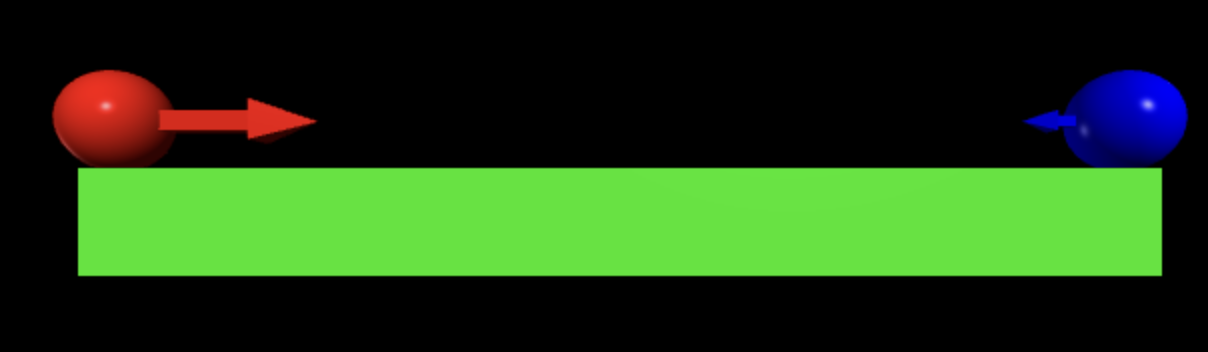
Description: Covariational reasoning (Carlson 2002) is the cognitive process of understanding how changes in one quantity relate to changes in another. It involves recognizing and interpreting the dynamic relationships between variables, such as how the speed of an object changes over time. This type of reasoning is crucial in building an understanding of physics, as it enables learners to better analyze and model real-world phenomena. Computational thinking (Weller 2021) in physics involves using problem-solving techniques that leverage computer science principles to understand and analyze physical phenomena. By applying computational thinking, students can create models and simulations that help in understanding physical phenomena such as motion. In this exploratory study, we aim to investigate the interconnectedness of covariational reasoning and computational thinking in a physics learning environment. Specifically, we will evaluate whether certain computational modeling activities used in an introductory physics for life science curriculum contribute to the development of covariational reasoning skills. We will collect both qualitative data (through interviews and observations) and quantitative data (through surveys and assessments) to evaluate the effectiveness of these activities and assignments. This study has the potential to inform instructional practices and enhance the integration of computational modeling in physics education.
References
Carlson, M., Jacobs, S., Coe, E., Larsen, S., & Hsu, E. (2002). Applying covariational reasoning while modeling dynamic events: A framework and a study. Journal for research in mathematics education, 33(5), 352-378.
Weller, D. P., Bott, T. E., Caballero, M. D., & Irving, P. W. (2021). Developing a learning goal framework for computational thinking in computationally integrated physics classrooms. arXiv preprint arXiv:2105.07981.
Sabo, H. C., Odden, T. O. B., & Caballero, M. D. (2023). How do we assess computation in physics?. arXiv preprint arXiv:2308.15983.
Skills the mentor(s) anticipate the Fellow might need: Interest in understanding how students think, reason and learn is essential. The following are some skills that are preferred, but not necessary. I will help the Fellow help learn skills that they are not familiar with including: basic understanding or familiarity with some of physics, especially with motion and forces, familiarity with computational modelling, familiarity with python programming language, experience designing and conducting interviews, surveying and summarizing relevant literature, experience with qualitative data collection and analysis.
Preferred start date: Mid May 2025 or Mid August 2025
Evaluating the 'YOURE(in)CHARJ:A Youth-Led Interdisciplinary Research Experience for Climate & Health and Racial Justice' Program
- Mentor(s): Shahnaz Masami, Melissa Charenko
- Description: The YOURE(in)CHARJ program is a collaboration between the three residential colleges at MSU that aims to flip undergraduate education and research towards student-driven knowledge generation and dissemination. Through a peer-to-peer mentoring and research program for undergraduate students from historically underserved communities, we aim to empower the next generation of youth to lead their communities in just health responses to climate change.
Junior and senior students with a demonstrated commitment to community engagement, advocacy and activism will be selected from the three residential colleges to act as undergraduate research mentors. They will learn key principles of YPAR, including shared decision-making, power sharing, legitimation of various forms of knowledge including lived experiences, and an orientation toward collective action and social change. Mentors will then guide sophomore undergraduate research fellows (URFs) from historically underserved communities on a year-long social justice oriented YPAR project.
We have received seed funding to run this program in 2023-24, and would like to document the design and implementation process, to evaluate the alignment with the key principles of YPAR. In addition, we aim to evaluate the impact on student mentors and researchers, including documenting the impacts on their critical consciousness, culturally relevant mentoring and research skills, as well as their belonging at their residential college. - Skills needed: We are seeking a graduate fellow with experience in qualitative analysis, including identifying and operationalizing relevant theoretical frameworks, designing interview protocols, and analyzing data to identify key themes. Because the findings from the pilot will be key to applying for additional funding, we would prefer someone who is experienced with qualitative research. The fellow will work with a team of interdisciplinary researchers with experience in participatory action research, climate justice and undergraduate education research.
- Preferred start date: Mid-May 2024
Assessing Learning Assistants' Conceptions of Equity and the Impact on Teaching Practice
- Mentor(s): Shahnaz Masani
- Description: STEM classrooms are not neutral spaces. Research shows that several factors, from the prioritization of Eurocentric norms and values to historical legacies of racism, sexism and ableism make STEM disciplines and classrooms exclusionary to students from historically marginalized groups. Despite this evidence, STEM faculty often perpetuate inaccurate narratives of meritocracy, objectivity and neutrality when describing their classrooms and disciplines.
They use narrow, ‘equality-based’ explanations of equity and color-evasive ideologies that explain racial phenomena without explicitly naming race or racism as a cause of oppression and inequities in STEM. An instructors’ conception of equity has direct impacts on their mentoring and teaching practice. Faculty with color-evasive, equality-based conceptions of equity are more likely to adopt mentoring approaches that are harmful to BIPOC students. They are also less likely to notice racialized events in the classroom or adopt student-centered, inclusive teaching practices. Whether STEM graduate teaching assistants (GTAs) hold similar conceptions of equity is a question yet to be answered. This question is especially important, given that essential roles in the classroom, and the fact that GTAs often engage in more direct contact with students than faculty.
Through this work, we aim to assess GTAs’ conceptions of equity, as well as their knowledge and self-reported practices of equitable teaching. To do this, we will conduct semi-structured interviews that examine their dispositions around a range of topics around issues of diversity, equity, and inclusion in university STEM courses. As another measure of their ability to enact equitable teaching practices, we will also assess GTAs’ ability to notice racialized events using published narrative case-studies that incorporate common racialized classroom experiences or micro-aggressions experienced by students of color. Understanding how GTAs understand and enact equity and equitable teaching practices will help us identify potential sources of inequity in STEM classrooms, as well as to inform pedagogical or professional development training offered to these groups. - Skills needed: We would prefer someone who is experienced with qualitative research, specifically, with conducting semi-structured interviews and with using a grounded theory approach to analyzing the data. In addition, familiarity with (or interest in learning about) socio-cultural learning theories, and the impacts of racialized, gendered, ableist societal structures and institutions is preferred. The fellow will work with a team of faculty, graduate and undergraduate students invested in promoting equity in STEM education.
- Preferred start date: Mid-May 2024
Salmon Run Pilot Study: Testing an Artificial Life Educational Video Game
- Mentor(s): Rob Pennock
- Description: Salmon Run is an educational video game that uses innovative artificial life technology to provide an evolutionary sandbox for secondary school students to learn about:
- salmon biology
- evolution and its genetic basis in relation to ecology and environment
- scientific and engineering methods and practices, such as data collection, graphing, and analysis
- environmental engineering in relation to environmental resource management
- STEM and ICT-based careers
- the scientific mindset, especially virtues like curiosity that are the basis of scientific identity.
- Salmon Run aims to take educational gaming to the next level, by not only illustrating the working of general evolutionary mechanisms, but also by displaying how they operate in various ways within the life cycle of an organism in relation to its environment, incorporating evolutionary ecology.
The game exemplifies active learning and reform-oriented pedagogy, with specific learning goals tied to Next Generation Science Standards. Evolutionary and ecological content is drawn from the current scientific literature on salmon biology. The scientific mindset and identity development model is drawn from in-depth interviews from a national study of 1100 scientists. The game has been tested informally and this project will conduct a formal pilot study of the game in secondary school science classes. - Skills needed: General disciplinary knowledge of evolutionary biology. Specific knowledge of fish biology is a plus.
- Preferred start date: Mid-August 2024
Creation of Culture-Based Curricular and Assessment Materials
- Mentor(s): Clausell Mathis
- Description: With the current inequities in physics, there is a need for diverse representations in instructional materials to engage more diverse learners. Through this project, we aim to develop culture-based physics instructional materials that encourage students to utilize their cultural resources when engaging with physics concepts.
This project will focus on developing instructional units in physics that are culturally responsive and project-based, along with assessments designed to leverage students' cultural resources in their engagement with physics concepts.
The fellow's role will include assisting in the development of instructional units and assessments, as well as evaluating teachers who implement these materials. This evaluation will focus on shifts in teaching identity and how their students respond to the instructional materials in terms of sense-making around physics concepts, their physics identity, and the nature of their responses. - Skills needed: I expect the fellow to possess or develop skills in curriculum and assessment design, qualitative analysis of student responses, and teacher interviews.
- Preferred start date: Mid-May 2024
Assessing a Critical Making Pedagogy
- Mentor: Isaac Record
- Fellow: Burcu Tatar-Ozkum
- Description: There is interest in interdisciplinary approaches to solving wicked problems, problems that defy easy definition or resolution. One methodology for integrating insights from multiple disciplines is “Critical Making,” which combines traditional humanities and social science “critical thinking” research techniques with creative and constructivist making. This study examines the use of Critical Making in a classroom setting. We employ interviews, classroom observation, and pre-/post-test surveys to gain insight into student learning gains in methodology and content area, as well as attitudes toward Critical Makindg itself.
“So that is why there is no change!” How students in physics, biology and calculus make sense of dynamical situations
- Mentor: Jennifer Doherty, Kirtimaan Mohan, and Kristen Vroom
- Fellow: Mayson Whipple
- Description: Students in introductory Physics, Biology and Calculus courses are often confronted with situations where they need to make sense of dynamical situations. For example, a typical introductory physics course requires students to understand how displacement, velocity and acceleration change in relation to one another. In a biology class students might reason about how influx/efflux rates relate to changes in the concentration of a substance in a compartment over time.
It is well documented in the research literature that a productive way to make sense of dynamical situations is by thinking covariationally – holding in mind a sustained image of two quantities’ values simultaneously (Thompson & Carlson, 2017). The aims of this research are to 1) investigate how Lyman Briggs students in introductory courses engage in covariational reasoning to make sense of dynamical situations and 2) explore the impact of discipline on students’ covariational reasoning by collecting data across introductory Physics, Biology and Calculus courses.
Thompson, P. W., & Carlson, M. P. (2017). Variation, covariation, and functions: Foundational ways of thinking mathematically. In J. Cai (Ed.), Compendium for research in mathematics education (pp. 421-456). Reston, VA: National Council of Teachers of Mathematics
Evaluating the ‘YOURE(in)CHARJ:A Youth-Led Interdisciplinary Research Experience for Climate & Health And Racial Justice’ program
- Mentors: Shahnaz Masani and Melissa Charenko (with Mark Axelrod and Estrella Torres)
- Fellow: Sanfang Miao
- Description: The YOURE(in)CHARJ program aims to flip undergraduate education and research towards student-driven knowledge generation and dissemination. Through a peer-to-peer mentoring and research program for undergraduate students from historically underserved communities from the three residential colleges at MSU, we aim to empower the next generation of youth to lead their communities in just health responses to climate change.
Junior and senior students with a demonstrated commitment to community engagement, advocacy and activism will be selected from the three residential colleges to act as undergraduate research mentors. They will learn key principles of YPAR, including shared decision-making, power sharing, legitimation of various forms of knowledge including lived experiences, and an orientation toward collective action and social change. Mentors will then guide sophomore undergraduate research fellows from historically underserved communities on a year-long social justice oriented YPAR project. The SUTL fellow will lead the evaluation of the program by identifying and operationalizing relevant theoretical frameworks, designing interview protocols, and analyzing data to identify key themes.
Board games and the gamification of learning in college biology
- Mentor: Peter White
- Fellow: Titas Dutta
- Description: The gamification provides an interesting avenue for augmenting student learning. As we continue to move away from the sage-on-stage model of teaching in higher education, new pedagogies continually look for more innovative ways to engage students in learning activities that are both fun and effective.
One potential avenue for this learning involves table-top board games. Many recent games have tapped into biological themes and imply that players may learn fundamental biological principles as part of the playing experience (e.g., titles like Cytosis, Oceans, or Wingspan). However, these games often lack learning goals, or don’t have any empirical learning gains associated with them. In this SUTL project, the Fellow and Mentor would collaborate to test the Adventerra Game “Global Warming” in introductory biology courses at LBC, to explore whether it is associated with student learning. Other games (like the aforementioned Cytosis, Oceans, or Wingspan) may also be tested, depending on the interest of the Fellow.
Computational Modeling in Intro Physics
- Mentors: Kirtimaan Mohan, Katie Hinko
- Fellow: Marshall Basson
- Description: Computational modeling is by now a central pillar of modern science, yet it remains underrepresented in most introductory physics curricula. At Lyman Briggs College we introduce students to computational modeling early in our introductory physics course for life science majors. In order to build a curriculum where students find computation in the course more relevant both for learning physics as well as in general in other aspects of their lives, we need to consider how students already connect to computation and how they build a sense of relevance for computational modeling as the course progresses. The goal of our study is to determine what aspects of the activities used in the course helped students connect to its computational thread. We hope that this research will inform how to better build computation into an introductory physics course.
Nurturing Mathematical Discourse by Teaching with Primary Source Projects
- Mentor: Abe Edwards
- Fellow: Tyler Powell
- Description: This project seeks to understand whether and how implementation of a particular type of curricular materials (called “Primary Source Projects” or PSPs) can reshape mathematical discourse in undergraduate mathematics classrooms. More specifically, the proposed research has a two-fold mission: to investigate the pedagogical moves associated with nurturing students’ mathematical discourse via PSPs and to study the role that PSPs may play in fostering positive change in students’ identities related to mathematics.
We are especially keen to examine student experiences with PSPs through the lens of Sfard's (2008 and subsequent) theory of commognition. The commognitive theory of learning holds that mathematics itself is a discourse and learning mathematics is tantamount to becoming a participant in this special form of discourse. Unfortunately, many instructional approaches in undergraduate mathematics classrooms do not invite, nor recognize, the kinds of discursive shifts that characterize increased participation in the mathematical community. We propose that by interacting with the primary source materials, as replacements for standard textbook–driven exercises, students will engage in deep, meta–level learning. As their mathematical discourse matures, students become more flexible, adaptable, confident, and enthusiastic about mathematics. This project is a pilot study for a larger multi-year project for which we have applied to the NSF for funding.
Taking ownership through consensus: studying the impact of collaborative class design using an exam reflections assignment
- Mentor: Shahnaz Masani, Katie Hinko, & Kirtimaan Mohan
- Fellow: Sunyoung Park (Mathematics Education) & Rupita Tahsin (Urban Planning)
- Description: Several factors, from mindset to attributions of the cause of failure, can shape student responses to failure, which in turn affects their performance in formal coursework. In our introductory Briggs biology and physics courses, we seek to create an inclusive classroom space where students develop adaptive coping responses that help them decrease stress associated with failure and envision a path to success.
A common tool used to reduce stress associated with high stakes test situations is exam corrections. Often, post assessment “wrapper” assignments ask students to correct mistakes as well as to reflect on their mistakes, with the intent to build conceptual understanding as well as metacognitive skills. Although several different types of wrapper assignments have been described (reflection only, reflections & corrections, group versus individual corrections, 2-stage feedback etc.), in each case the design & implementation of these assignments was instructor-led, or prescriptive.
For this study, we have designed an exam correction activity that aims to increase student agency, build classroom community, and empower students to reflect on the nature of knowledge by asking them to be a part of the design process itself. We will provide a recommended structure for exam corrections that will include corrections & reflection on missed questions, as well as an essay reflecting on what they learned from the assignment. Students will be asked to work as a class to build consensus and (a) suggest modifications to the assignment (b) suggest how many points the assignment will be worth (c) provide a compelling, evidence-based argument to support their suggestions.
We will investigate the process by which students come to a consensus, as well as the content of arguments formed through this process, and students’ reflections on the process. We are further interested in how this process affects student content learning outcomes. Data collected will be individual student reflective essays, observations and artifacts from class activities, interviews with students, and exams/correction assignments. Analysis for emergent themes will be conducted. Based on initial attempts this past semester, we anticipate documenting themes around students’ perceptions of agency, the nature of knowledge and learning, the role of assessments and grades, what it means to “succeed” in class, and effective response to failure.
Exploring long‐term impacts of learning about 3DL on test writing
- Mentor: Ryan Sweeder
- Fellow: Iqbal Hossain (chemistry)
- Description: Several cohorts of science faculty from a range of disciplines have participated in the STEM Gateway Fellows Program, which introduces 3-Dimensional Learning (3DL) in the STEM classroom. One of the goals of the program is to help participants understand each of the three dimensions: Scientific Practices, Disciplinary Core Ideas, and Crosscutting Concepts.
The program helps faculty explore how these dimensions can be included in their assessments and why it leads to better student learning. The goal of the project is to explore if there is a lasting impact of the program. The SUTL fellow will code exams as part of a team using the 3D-Learning Assessment Protocol from program participants to see if there was a change in their assessment practices and how long those changes remain in place. Exams will come from the disciplines of biology, chemistry, and physics.
Do students find computational modeling relevant in an IPLS course?
- Mentor: Kirtimaan Mohan, Katie Hinko, Vashti Sawtelle
- Fellow: Jacob Watkins (Physics and Astronomy) & Nick Ivanov (Computer Science and Engineering)
- Description: Computational modeling is an important part of modern research, yet many students are not introduced to computation. At Lyman Briggs College we want to rectify this by introducing students to computational modeling early on introductory physics courses. Currently, this is done with the help of glowscript and we would like to transition to the more modern environment of Jupyter Notebooks, which is more interactive, accessible and widely used in academia and industry.
The introductory physics course at Lyman Briggs is designed with Life Science majors in mind. This presents itself as a challenge, as students tend not to see coding as a relevant and important skill to learn. The goal of this project is twofold:- Enhance the coding experience for students in the course by transitioning to Jupyter Notebooks.
- Measuring the impact of this transition by monitoring
- Changes in attitudes towards computational modeling.
- Whether life science students find coding relevant.
Finding your True North: Developing skills for career exploration, self-discovery, and parallel planning in an introductory biology course
- Mentors: Shahnaz Masani & Krysta Coleman
- Fellow: Haiden Perkins (Human Development and Family Studies)
- Description: For students in the sciences, there often seems to be only one pathway that combines their love of science and passion for helping people: medicine. In an effort to prepare students for multiple careers under the STEM umbrella, our team will be working to incorporate career education into a core curriculum course here in the college: LB 144.
As a course already designed to be an active learning space, this collaboration presents an opportunity for students to learn more about themselves through deeper exploration of the course material. While there are many career exploration courses across higher education, and certainly across MSU’s campus, few, if any, are fully enmeshed within the core curriculum of a student’s undergraduate experience. By infusing career exploration activities into the college’s introductory biology class, we offer a more equitable opportunity for access to career education, allowing students to simultaneously grow professionally, personally, and academically.
How does being a Learning Assistant influence Undergraduate Students’ STEM identity?
- Mentor: Rachel Barnard
- Fellow: Guanglong Pang (Educational Administration)
- Description: Undergraduate learning assistants (ULAs) are important contributors to how the Lyman Briggs College lives into its value of integrating and improving upon evidence-based instructional practice. We have had ULAs in the College since our founding in the 1960s, and we aim to continue improving our program.
This project has two facets. First, the Fellow will work with Rachel Barnard, the current Coordinator of the LA Program in Briggs, to collaborate with stakeholders in the College and at MSU to develop goals for our LA program. Second, we will explore if being a LA in Briggs helps undergraduate students develop their STEM identity. We will examine STEM identity in relation to DEI, because Briggs places a high value on diversity, equity, inclusion, and belonging. There is a gap in the literature about how LA experiences contribute to a sense of belonging to a teaching team, the College as an institution, as well as the larger disciplines in science and /or STEM. We will explore the interplay of LA experience and STEM identity using a survey and interviews.
BRAIDing "lab" and "lecture" into one Life Science Studio for Biology: Impacts on the student experience and learning outcomes
- Mentor: Cassie Dresser-Briggs & Doug Luckie
- Fellow: Brady Tyburski, Program in Mathematics Education (PRIME)
- Description: Traditionally, undergraduate STEM labs and lectures have been taught: (1) as entirely separate courses, (2) as part of the same course, but taught by different instructors, or (3) by the same instructor, but rarely woven together in an effort to replicate what scientists experience during authentic professional practice.
We are interested in assessing how deviation from these paradigms may impact the student experience and learning outcomes. Specifically, we have set up two concurrent introductory biology classes, each with 24 students, taught by different instructors with the same approach; blending lab and lecture content and activities together within a class period. We also plan to compare these data with data collected from one or more classes implementing the traditional paradigm; unblended lab and lecture, taught by separate instructors, and differ in regards to desired learning outcomes.
Furthermore, given that class size differs between the “experimental treatment” and the “control treatment” (24 vs. 48 / 96 students) we are interested in exploring how much class size impacts the student experience and learning outcomes. Results from this study will be immediately useful in determining future course offerings and course structures in the biology curriculum at Lyman Briggs College, but more broadly, our research will expand the current knowledge within the scientific community regarding best pedagogical practices for other curricula that include a lab component.
Making Biology Classes More Gender Inclusive
- Mentor: Stef Shuster, Shahnaz Masani, Jenifer Saldanha, & Pete White
- Fellow: Nicole Wonderlin, Entomology Department
- Description: In the typical biology classroom, the stories often told about plant reproduction frame plants as sexed. The “male” plant produces pollen grains, which are depicted as active, strong, and tough. They travel far distances, against all odds, and are narrated as driving the process of fertilization. Meanwhile, the “female” plant produces an egg and waits passively for the pollen grain. These kinds of portrayals of how fertilization happens rely on gendered norms and stereotypes.
Our project begins by asking how might we bridge insights from biology and feminist science studies to think and teach about fertilization that abandon the use of gender stereotypes? And, how might we revamp curriculum to be more inclusive; intervening in the continued use of gender norms and stereotypes to depict fertilization? Our aims for this proposed project include: 1) Assess existing scholarship on the gendering of biological processes and matter; 2) Evaluate the extent to which existing introductory biology classes address these topics; 3) Build a new curriculum unit; and 4) Design a study to assess the impact of these interventions.
Evo‐Med‐Ed: An integrative approach for teaching and learning human evolution in undergraduate biology
- Mentor: Pete White
- Fellow: Jospeh Riedy, Integrative Biology Department
- Description: Two difficulties in teaching biology to undergraduate students using an evolutionary conceptual framework are: (1) the lack of clear connections between evolutionary patterns and processes; and (2) students’ apathy in evolutionary examples that don’t relate to humans.
The field of evolutionary medicine provides an avenue through which (human) evolution can be taught and learned by using medically relevant examples to teach evolutionary concepts to students who might not otherwise encounter them in their coursework. In this project, we are designing, implementing, and testing a set of interdisciplinary and integrated teaching materials based on human health conditions as a vehicle for students to learn introductory biology and human evolution.
Developing Responsible Scientific Identity Through a First-Year-Writing Course for STEM Undergraduates
- Mentor: Marisa Brandt
- Fellow: June Oh, English Department & Yukyung Bae, Department of Educational Administration
- Description: Beginning in the fall of 2019, the History, Philosophy, and Sociology of STEM group at Lyman Briggs College began a pilot program to unify the learning goals and outcomes of the first year writing and intro to HPS course, LB 133, with the goal of creating a cohesive, “group-building” experience for all incoming students, as well as shared teaching resources for instructors.
This SUTL project aims to evaluate the success and sustainability of the curricular redesign effort for students and faculty. Over the past two years of the project, we have gathered both quantitative and qualitative data on student learning outcomes and community building. Our goals for this year are (1) collect and analyze one more semester of (non-pandemic) data, (2) conduct interviews with former students and participating instructors, and (3) share our findings with the college and broader HPS teaching communities.
Drawing Comics as a Way of Knowing about Science and Society
- Mentor: Megan Halpern
- Fellow: Justin Wigard, English Department
- Description: This project explores the intersection of art and science studies in the classroom by studying pedagogical approaches to drawing comics as a way of learning about the relationship between science and society. Assistant Professor Megan K. Halpern and PhD Candidate Justin Wigard will develop two courses that focus on both analyzing comics as discourse about science in society and on creating comics as exercises in critical making.
Prior work on introducing the arts into social science and humanities courses about science has two benefits. The first is that these forms of creative expression provide new ways of knowing about a topic. The second is that creative activities are often seen as unique and positive experiences, providing benefits for both mental health and intellectual growth. This project will study the specific value of courses that draw on graphic narratives and sequential art to understand the role of science and medicine in society.
Analysis of the INQUIRE Program
- Mentor: Ryan Sweeder and Sam Cass, Lyman Briggs College
- Fellow: Merve Kursav, Programs in Mathematics Education
- Description: The INQUIRE program has been a 10-year effort in Lyman Briggs College to support matriculating students who do not have math placement scores which allow them to begin in general chemistry in their first term. The intended outcomes of the program include helping student successfully transition to college, gain preparation for introductory science courses, build connections to the LBC community such that they graduate at improved rates from MSU and in STEM fields.
This project is seeking to comprehensively understand if the project is achieving these goals for the participating students. The SUTL fellow will work to update previous quantitative data analyses that focused on grades earned in subsequent chemistry and biology courses, GPA, retention in STEM and MSU, and graduation rates. They also will help undertake surveys with both current and past INQUIRE students to understand the perceived impacts of the program and how that perception may change over time. Through triangulation using both qualitative and quantitative data, we anticipate having a strong understanding of the impact of this program.
Effective implementation of assessment corrections for meaningful learning and reflection
- Mentor: Cassie Dresser-Briggs and Shahnaz Masani, Lyman Briggs College
- Fellow: Sunghwan Byun, Programs in Mathematics Education
- Description: In this study, we will assess the effectiveness of assessment corrections on student learning, both in terms of mastering concepts and progression as a learner. Furthermore, we will test whether corrections completed individually or in a group are most beneficial. To minimize instructor effect and avoid pseudoreplication in our experimental design, our initial study will be conducted in a single introductory biology course at Lyman Briggs College, a residential college within a large research I university in the Midwest.
In this course there are three-unit exams and a cumulative final exam; thus we will compare three treatments in the following order, (1) control, no exam corrections, (2) individual, individual exam corrections, (3) group, group exam corrections. Concept learning gains will be inferred based on differences in percentage scores for particular concepts between the unit exam and the relevant questions on the final exam. Progression as a learner will be inferred based on pre and post survey responses provided by each student. Previous research has suggested that assessment corrections improve learning; our study will not only indicate if this outcome is more broadly applicable, but will expand on this idea by explicitly comparing different implementation methods for assessment corrections.
Exploring undergraduate learning assistants’ perceived roles
- Mentor: Rachel Barnard, Lyman Briggs College
- Fellow: Corbin Livingston, Department of Chemistry
- Description: This project seeks to contribute to the body of knowledge about undergraduate learning assistants’ (ULAs) motivation to work in this role. Specifically, we are surveying the balance of intrinsic and extrinsic motivation factors among these members of the LBC chemistry lab and lecture teaching teams.
We are also exploring how ULAs perceive their role within their teaching space as reflected in how they spend their contact time with students. Prior experiences in these classes as a student and their beliefs about teaching and learning may influence how they choose to spend their time. Time usage information self-reported by the ULAs will be compared with desired time usage from both students and supervising faculty.
Investigating the impact of an explicitly feminist curriculum for undergraduate students in an introductory physics sequence
- Mentor: Kathleen Hinko, Lyman Briggs College
- Fellow: Lydia Wassink, Department of Integrative Biology
- Description: We are developing a version of the introductory physics sequence explicitly focuses on exploring the beauty of physics through feminist and anti-racist physics content and practices. Students will develop an understanding of their role in societal systems including the production of science, articulate the value of physics for themselves and their communities, and be empowered to critique systems of which they are a part.
We will be investigating the potential impacts for students taking this course. We want to understand the impact of this course on students’ attitudes and beliefs about physics, science, and society. We will also look at how the structures and format of the class affects how students work together in groups and in class discussions. We also plan to measure how students learn traditional and nontraditional physics content in this environment.
Board games in the classroom
- Mentor: Melissa Charenko, Lyman Briggs College
- Fellow: Nazmy Hebatalla, School of Planning, Design, and Construction
- Description: This project investigates how the use of cooperative board games impact student learning in history, philosophy, and sociology of science (HPS). It also aims to determine how board games can be used to foster problem-solving, interpersonal, or communication skills.
Pandemic Legacy is unique game: it is a cooperative board game played in small groups. Students try to avert global disaster by treating deadly diseases. They play the game multiple times, but actions in one game have consequences for the next one, and the rules change and develop as students play. The games’ development introduces students to new concepts at a manageable pace and gives students new problems to solve.
Flipped learning in introductory general chemistry
- Mentor: Rebecca Lahr, Lyman Briggs College
- Fellow: Monica Setien, Engineering and Computer Science
- Description: Flipped classrooms are geared at increasing student engagement with harder concepts during lecture by assigning pre-class activities, readings, or videos to be complete before class on the least complex learning objectives.
This format decreases the amount of content that is delivered as an instructor speaks to the class, leaving more class time for students to ask questions and engage in activities to address the harder concepts. Flipped learning allows students to engage with the material before class, to level the pre-‐existing knowledge before students walk into class for the day. This project will examine the impact of a flipped-course format in intro chemistry courses at Lyman Briggs College.
Assessing an Experimental Pilot of a First-Year Writing Course for STEM Undergraduates
- Mentor: Marisa Brandt, Lyman Briggs College
- Fellow: June Oh, English Department
- Description: Beginning in the fall of 2019, the History, Philosophy, and Sociology of STEM group at Lyman Briggs College will begin a pilot program to unify the learning goals and outcomes of the first year writing and intro to HPS course, LB 133, with the goal of creating a cohesive, “group-building” experience for all incoming students.
This experimental structure will also entail a weekly colloquium series featuring guest speakers from the college, MSU, and visitors. The first cohort of pilot sections will be offered in Fall 2019; these will be followed in Spring 2020 with additional cohorts. These sections will share common learning goals/assignments and will meet weekly for the colloquia as one large group. Our SUTL proposal has two major goals: (1) to create an assessment tool to measure learning goals, learning outcomes, and evaluate community building using a combination of qualitative and quantitative questions; (2) to assess the learning gains specifically associated with the colloquium speaker series component of the course.
Assessing the impact of a mentored graduate student fellows’ program on graduate student and faculty participants
- Mentor: Peter White and Kendra Cheruvelil, Lyman Briggs College
- Fellow: Aesha Mustafa, Education Administration Department
- Description: The LBC Scholarship of Undergraduate Teaching and Learning (SUTL) program began in 2016. Since then, more than a dozen faculty and two dozen graduate fellows have engaged with the program to conduct SoTL and DBER research. The goal of this project is to assess the impact of the SUTL program on graduate student outcomes and faculty outcomes. Graduate student and faculty outcomes include professional skills development, research skills development, research products and career advancement. We propose to use a mixed-methods approach, incorporating interview data, survey data and research metrics. Early feedback suggests that both faculty and graduate fellows benefit from the program. This project seeks to conduct a thorough analysis of project outcomes and publish our findings describing the overview and merit of the program.