Michigan State University is fortunate to have passionate educators who are committed to enhancing the experience of their students and who help to provide the best education possible.
The Graduate School is featuring some of these educators – graduate and postdoc educators – every month to share their unique stories and perspectives on what it means to be a dedicated educator, how they’ve overcome educational challenges, and the ways they have grown through their experiences.
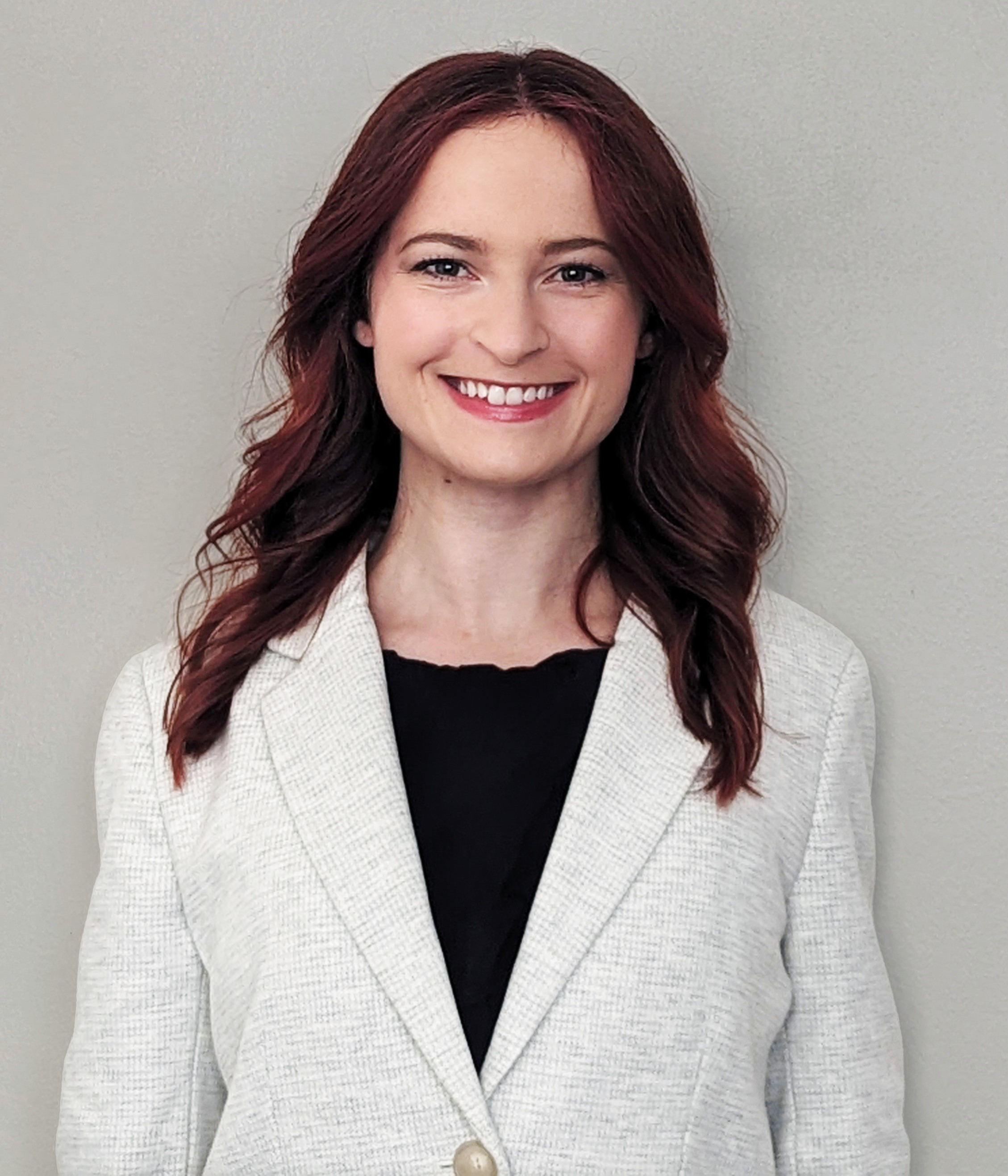
For February 2026, we are featuring Maura Philippone, who is a doctoral candidate in Communicative Sciences and Disorders. In her writeup, Maura emphasizes how training and professional development opportunities and enhance your ability and versatility as an educator.
What does it mean to be an educator at a university?
 Being a university educator requires learning how to communicate field-specific expertise to experts, non-expert community members, and everyone in between.
In the classroom, students arrive with diverse backgrounds and lived experiences that shape their perspectives.
As university educators, our responsibility is to strive to create an environment that builds upon each person’s strengths and supports their continued growth in knowledge and skills.
Challenges you have experienced and how have you grown from these?
One challenge I have experienced is navigating how to teach students whose academic program follows a different training model from the one I encountered in my own academic and professional training.
To navigate this difference, I consult with knowledgeable colleagues/mentors (e.g., other instructors in the department), seek out teaching training opportunities (e.g.,the MSU Immersive Visualization Institute), and incorporate student feedback into future course activities.
These strategies help ensure that each successive teaching experience more closely aligns with my students’ support needs.
What value do you see in teaching professional development?
From my perspective, teaching-focused professional development has been essential to improving my teaching skills.
Because my academic/professional training did not include formal instruction in course design, grading practices, or how to design learning activities for larger groups of students, the professional development opportunities I have pursued have been instrumental in shaping my teaching philosophy and refining my teaching approaches.
What is one piece of advice you would give other graduate educators?
Be adventurous and explore the programs/resources your university has to offer. During my time at MSU, I have learned so much about teaching and learning by attending workshops and talks hosted by a variety of offices and departments.
In particular, I have found events offered by the GREAT Office, the College of Education, and the Graduate School Office of Well-Being (GROW) to be especially insightful and helpful.
What do you enjoy in your free time?
I love to read, hike, and attend live theatre/performances whenever I can. I recently saw the musical Hadestown at the Wharton Center, and it was absolutely incredible!
What non-academic book are you currently reading/ or is a favorite?
I recently read Gen Z @ Work by David and Jonah Stillman. The book is structured around an ongoing dialogue between a Gen X father (David) and his Gen Z son (Jonah). Through this exchange, the authors explore why different generations might hold varying perspectives on appropriate workplace practices and definitions of professionalism.
The authors conduct an especially interesting examination of how factors such as historical events and technological advancements can shape workplace perspectives across generations.
They also highlight practical ways to support and engage Gen Z employees in the workplace (e.g., having realistic/pragmatic conversations, cultivating efficient/sustainable resource-sharing mechanisms), which gave me a whole new perspective on the Gen Z students I work with. Definitely worth the read!