All inductees are Ph.D. candidates at MSU who, in the spirit of Bouchet, exemplify the five core values of the society (character, leadership, advocacy for those traditionally underrepresented in the academy, service, and scholarship).
Kirby R. Gibson
Higher, Adult, and Lifelong Education (HALE)
krgibson@msu.edu; https://www.linkedin.com/in/krgibson9/

Kirby R. Gibson (she/her) is a scholar-practitioner dedicated to cultivating communities grounded in narrative sharing, lifelong learning, coalition building, liberation, and love. She is a Ph.D. candidate in the Higher, Adult, and Lifelong Education (HALE) program at Michigan State University (MSU). Anchored in Black Feminist Epistemology and Endarkened Narrative Inquiry, her research explores the exits of former Black women student affairs practitioners and seeks to offer critical insights and strategies for transforming the SAHE workforce for Black women.
Kirby brings over a decade of experience in student affairs and higher education. She currently serves as the Associate Director of Residence Education for Student Learning and Leadership at MSU, where she provides strategic leadership focused on student learning, leadership development, and fostering inclusive residential communities. Her work also includes facilitating trainings, workshops, intergroup dialogues, and seminars centered on diversity, equity, inclusion, and justice (DEIJ). She has contributed to institutional DEIJ initiatives as a facilitator and core planning team member for programs such as MSU Dialogues and the Anti-Racist Path.
Kirby is actively engaged in professional associations including NASPA and ACUHO-I. Career highlights include serving as Chair of The Placement Exchange (TPE) Planning Committee, membership on the NASPA Undergraduate Fellows Program (NUFP) Advisory Board, serving as a three-time faculty member and director of the NUFP Dungy Leadership Institute, publishing in ACUHO-I’s Talking Stick, and presenting at regional and national conferences. Her commitment to service also extends to community-based organizations in Greater Lansing, including the NAACP Lansing Branch and Alpha Kappa Alpha Sorority, Incorporated®.
Jermaine R. Howell
Curriculum, Instruction, and Teacher Education
howell97@msu.edu; www.linkedin.com/in/jermaine-r-howell
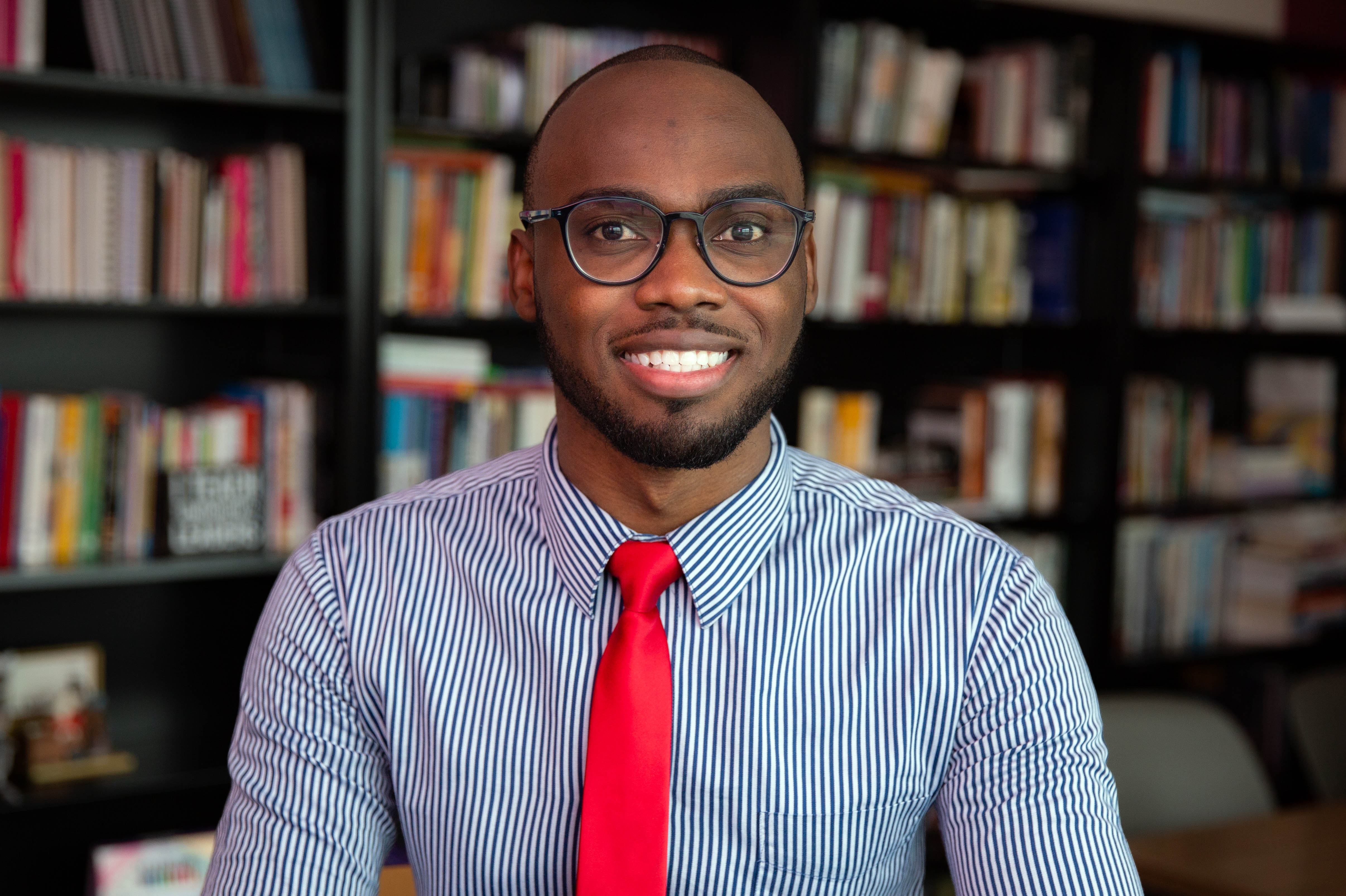
Jermaine R. Howell (he/him) is a fourth-year Ph.D. candidate in the Curriculum, Instruction, and Teacher Education program at Michigan State University (MSU). His research focuses on equity and justice-oriented pedagogies in mathematics education.
Jermaine's dissertation investigates elementary teachers' pedagogical content knowledge and sensemaking of asset-based math pedagogies in a participatory action research project. His work was recently published in the Journal of Urban Mathematics Education, which conceptualized equity-oriented practices of math teachers in urban classrooms (Howell & Orr, 2025).
He has served as the Chief Diversity Officer for the International Student Association at MSU. In this role, Jermaine collaborated with university leaders on multicultural and diversity initiatives to support the well-being of international students on campus. Within the College of Education at MSU, Jermaine has organized and facilitated a community of practice with graduate students that focused on justice-oriented practices in teaching and research. He has also co-facilitated a community of practice on Culturally Relevant Pedagogy for faculty members and graduate students in the College of Education.
Prior to pursuing his doctorate at MSU, Jermaine served as a global educator and an elementary school teacher in Jamaica and North Carolina. While teaching in North Carolina, he was awarded the Teacher of the Year for his school and a district finalist for the Wake County Public School System. Jermaine holds a Bachelor's degree in Primary Education (K-6) from the International University of the Caribbean, Jamaica, and a Master's degree in Curriculum, Instruction, and Development Supervision from North Carolina State University.
Raymundo Lopez
Political Science
lopezray@msu.edu; https://www.linkedin.com/in/lopez-raymundo/
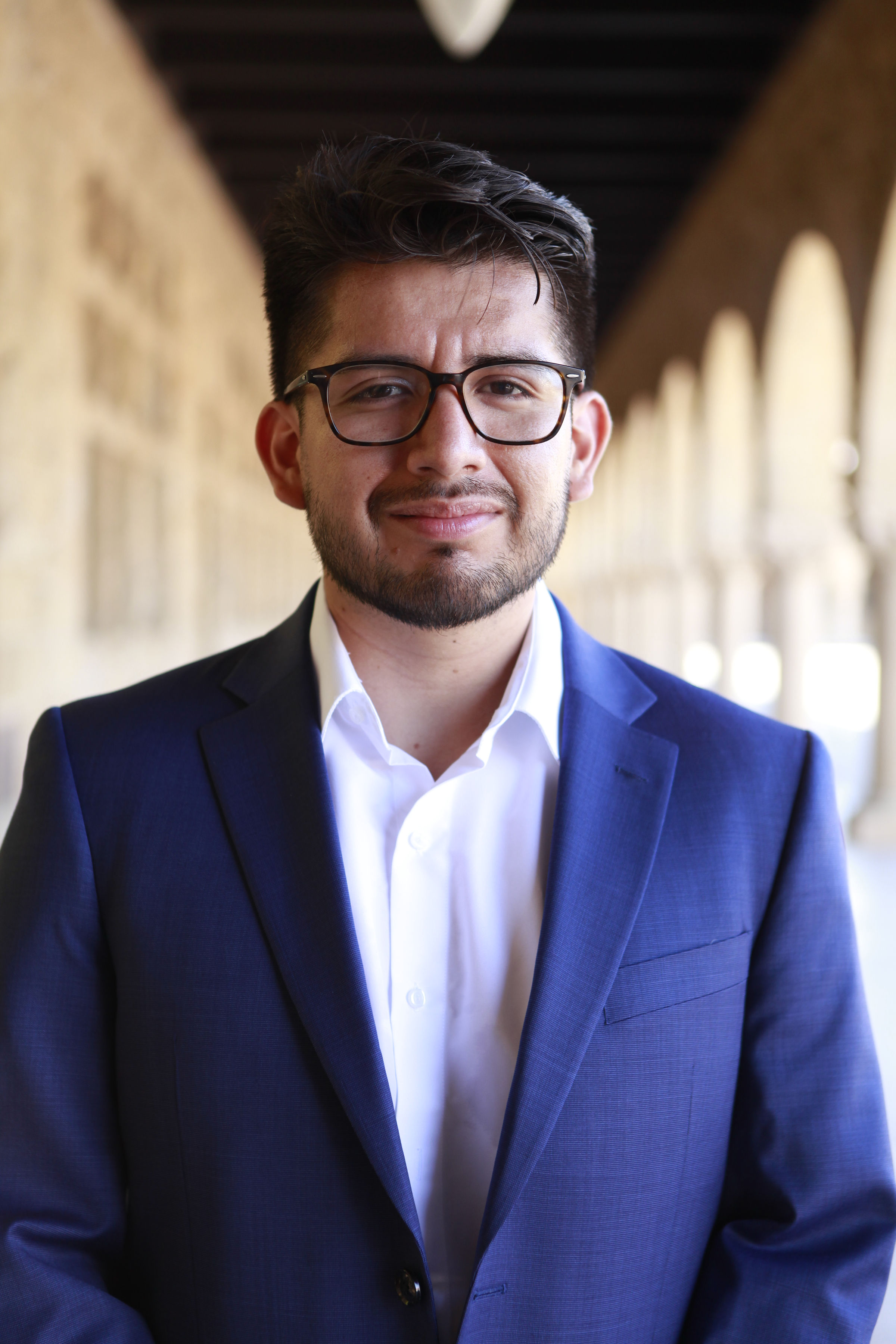
Raymundo Lopez (He/Him/His) believes in a political science that moves. At Michigan State University, he studies American politics and research methods. His work examines how elected officials articulate their social identities in real time, primarily through survey experiments and video-as-data approaches. Lopez is a 2025-2026 Fellow in the American Political Science Association’s Public Scholarship Program, where he produces public-facing analyses that translate political science research into accessible insights for broader audiences.
He is also the creator of Atom Laboratories, a YouTube channel that uses data, peer-reviewed scholarship and digital storytelling to demystify complicated concepts in political science. In addition to his research and public scholarship, Lopez has collaborated with nonprofits like the Women’s Center of Greater Lansing to support civic education initiatives and community needs. He currently leads the Social Science Initiative at FLI SCI, where he designs curriculum and implements programming that introduces first-generation and limited-access students to social science inquiry.
Jordan M. Parker
Criminal Justice
parke600@msu.edu; https://www.linkedin.com/in/parkjor/
Jordan M. Parker (He/Him/His) is a Ph.D. Candidate in the School of Criminal Justice at Michigan State University. Prior to MSU, he earned his B.S. and M.S. in Criminal Justice from Bowling Green State University. His research interests include community-based violence interventions (CVI), juvenile justice and delinquency, and program evaluation.
Broadly, Jordan is a community-engaged researcher who works with practitioners and justice-involved individuals to improve individual and community outcomes. Jordan is a Future Academic Scholars in Teaching (FAST) Fellow in the MSU Graduate School, where he examines the impact of hands-on research experiences on undergraduate students’ critical thinking, problem-solving skills, and decisions to pursue graduate education.
During his time at MSU, he has served as Event Coordinator, Vice President, and President of the School of Criminal Justice Graduate Student Association. He currently serves as the Director of Equity and Anti-Discrimination for the Council of Graduate Students. Additionally, Jordan is actively involved in MSU’s Alliance for Graduate Education and the Professoriate (AGEP) Program and has spent the past two summers working with the Summer Research Opportunities Program (SROP).
Tiyanna Peterson
Educational Policy
pete1678@msu.edu; https://www.linkedin.com/in/tiyanna-peterson-m-ed-b75a6b106/

Tiyanna Peterson is a third-year Ph.D. student in Education Policy at Michigan State University. Her research centers on the intersection of race, disability, and education policy, with an emphasis on academic and well-being outcomes for Black neurodivergent K–12 students. She currently serves as Service Chair for the AERA Division L Graduate Student Committee and is a UCEA Barbara L. Jackson Scholar.
At MSU, Peterson co-directs the Education Policy Program’s Mentor Committee. She also mentors undergraduate scholars through the Summer Research Opportunities Program (SROP), supporting undergraduate students pursuing graduate education. Peterson has experience as a public-school educator from early childhood through high school. She is also the founding director of a grassroots mental health education nonprofit in Detroit, MI, Be A Friend, Inc.
Drawing from these experiences, Peterson grounds her scholarship in practice and community engagement. Her research involvement includes a state-wide project examining well-being and chronic absenteeism in Georgia, a research-practice partnership exploring school discipline and restorative practices in a midwestern state, and a scoping review of culturally responsive social and emotional learning.
Natalie Rose Rivera
Criminal Justice; Chicano/Latino Studies

Natalie Rose Rivera is a dual-major doctoral student in Criminal Justice and Chicano/Latino Studies at Michigan State University. Her work is guided by a deep commitment to equity, justice, and community accountability, and is informed by Chicana feminist epistemology. Broadly, her research examines issues of gender-based violence, victimization, racial and ethnic inequality, and the experiences of marginalized and system-impacted communities.
Through culturally grounded and interdisciplinary approaches, she seeks to challenge structural inequities and elevate voices that have been historically excluded from academic and policy conversations. Rivera’s scholarship engages questions of diversity, equity, and inclusion within higher education and the criminal legal system, with particular attention to how knowledge is produced, valued, and disseminated.
Her work has been published in peer-reviewed outlets and edited volumes, contributing to national conversations about inclusive pedagogy, epistemic justice, and institutional transformation. In addition to her research, Rivera is actively involved in campus and community spaces that support student mentorship, equity-driven leadership, and inclusive excellence.
She is committed to creating supportive academic environments, mentoring students from underrepresented backgrounds, and advancing research and teaching practices that center cultural knowledge, critical reflection, and collective well-being. Her work reflects a dedication to using scholarship as a tool for social change and institutional accountability.
Jessica (Jess) Reed
Curriculum, Instruction, and Teacher Education (CITE)
.jpg)
Jessica (Jess) Reed (she/her/hers) is a PhD student in the Curriculum, Instruction, and Teacher Education program at Michigan State University. Her research primarily celebrates the legacies and possibilities of out-of-school education and African diasporic, 'glocal' consciousness among Black girls and communities.
Jess is committed to being in community, with community, and for community as an Ubuntu onto-epistemology. Presently, she is the Program Coordinator for the MSU Urban Community Engagement Fellows Program, which centers substantive collaboration with the Southwest Lansing community. Jess also creates monthly e-newsletters for Grit, Glam, and Guts, an organization dedicated to teen girls.
In April 2024, Jess showcased her first short play, Black Girls Shine, as an MSU Transforming Theater Playwright Fellow. Moreover, Jess is a dedicated member and interlocutor of the Black Graduate Student Association, Decoloniality Dialogues, the Black Midwest Initiative, and her academic department's student leadership team.
During her doctoral journey, she has lived in Salvador, Bahia, Brazil as a Foreign Language Area Studies (FLAS) Fellow and in Ghana as a Fulbright-Hays Fellow. Jess earned her bachelor's degree in African and African American Studies with a minor in Creative Writing at Stanford University. Additionally, she is the published author of Roots and Hope: Ruminations of Loneliness and Deep Connectedness.
Dasmen Richards
K-12 Educational Administration
.png)
Dasmen Richards is a PhD candidate in the K-12 Educational Administration Program at Michigan State University. She received a bachelor’s degree in Foreign Affairs and African-American & African Studies from the University of Virginia.
After completing her undergraduate degree, she served as a college advisor in Virginia, where she assisted seniors with their post-secondary plans. This job sparked her pursuit to obtain her Ph.D. when she saw the myriad of ways Black students are disproportionately disadvantaged in K-12 educational spaces.
She is a proud native from Fayetteville, GA, which has a strong influence on her work as she thinks about the ways race (Black), gender (woman), and place (suburbs) shape other Black girls’ lived experiences within educational spaces.
Specifically, her research interests are centered around how Black girls engage in storytelling to reclaim and disrupt narratives that impacted their educational experiences.
Kenneth D. Russell
Higher, Adult, & Lifelong Education (HALE)
.jpg)
Kenneth D. Russell is a Ph.D. candidate in the Higher, Adult, and Lifelong Education (HALE) doctoral program at Michigan State University (MSU). His research interests broadly explore the role of negotiation in advancing diversity, equity, inclusion, and justice (DEIJ). His dissertation investigates the negotiation styles of Chief Diversity Officers (CDOs) in U.S. higher education.
He is a member of two research teams studying (a) diversity courage in the workplace and (b) how identity and status perceptions shape negotiation expectancies. While at MSU, Kenn has served on the President’s Diversity, Equity, and Inclusion Strategic Planning Committee and collaborated with HALE faculty to develop the Educational Doctorate degree in Leadership for Equity-Minded Change in Postsecondary Education.
Prior to attending MSU, Kenn spent several years working as a DEIJ professional in higher education. He holds a Bachelor of Arts degree in religious studies from Indiana Wesleyan University and a Master of Divinity degree from Asbury Theological Seminary. He is a qualified administrator of the Intercultural Development Inventory and was previously a fellow of the National Inclusive Excellence Leadership Academy.
Kenn is passionate about addressing injustices and is determined to utilize his knowledge and abilities to provoke positive change and transformation in individuals, groups, organizations, and communities.
Darren “dee” Dubose
Education Policy
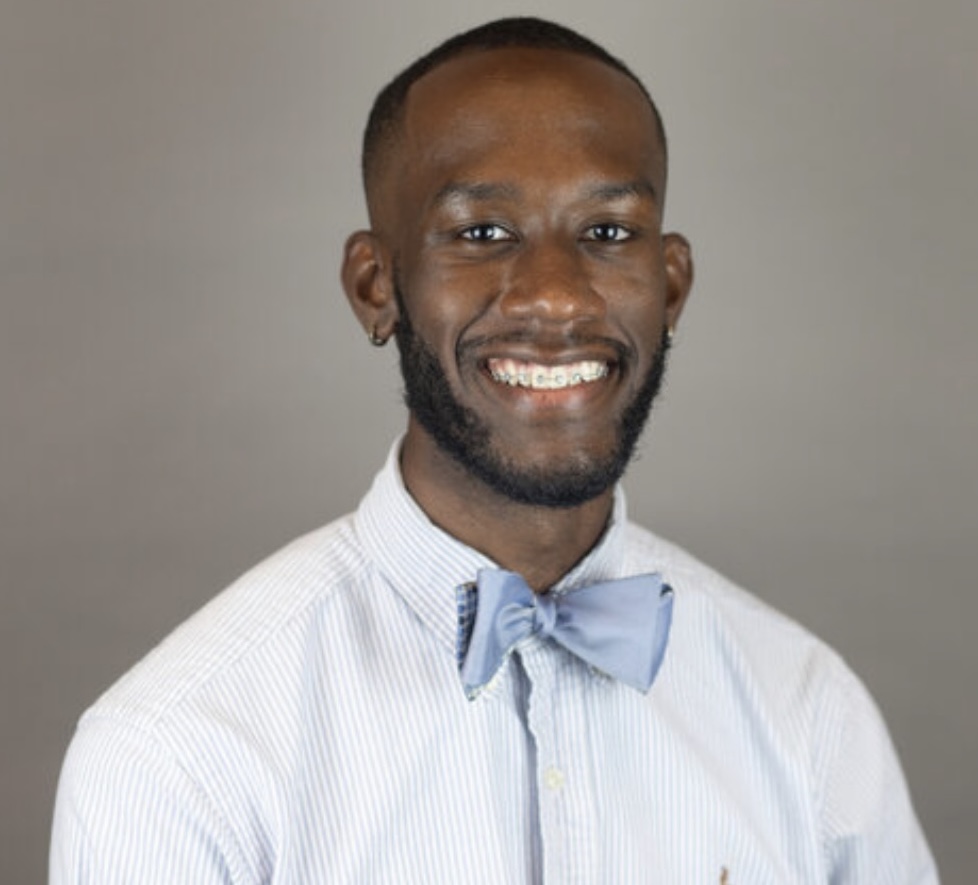
Darren “dee” Dubose is a second year Education Policy student at Michigan State University. His research focuses on the intersection of school consolidation in rural communities and the experiences of Black families across the African diaspora, delving into how these families navigate and react to local education policy decisions. Informed by Critical Race Theory epistemology, dee plans to use his research as a platform for uplifting Black families as necessary stakeholders in the policy discourse.
Most recently, dee was accepted to the Black Europe Summer School in Amsterdam, Netherlands. He intends to use the insights gained from this two-week internship program to inform his research agenda on the ways that public education comes with consequences. In addition to his equity-based research, dee was inducted as a 2023-2025 Barbara Jackson Scholar at University Council for Educational Administration (UCEA). dee plans to use the research mentorship gained from the Jackson Scholar program to reflect on how his work positions Black families as policy stakeholders.
As an involved doctoral student at Michigan State University, dee is an active member of the Black Graduate Student Association (BGSA), the Alliance for Graduate Education Professorate (AGEP), and works as a Diversity Assistant for The Big Ten Alliance Program Summer Research Opportunities Program (SROP). Before enrolling at Michigan State, dee was a high school physical education teacher in rural Alabama and middle school reading teacher and community organizer in urban Texas. He earned a Bachelor of Science in Physical Education Alabama State University and a Master of Public Service and Administration from The Bush School at Texas A&M University.
Antonia Gordon
Political Science
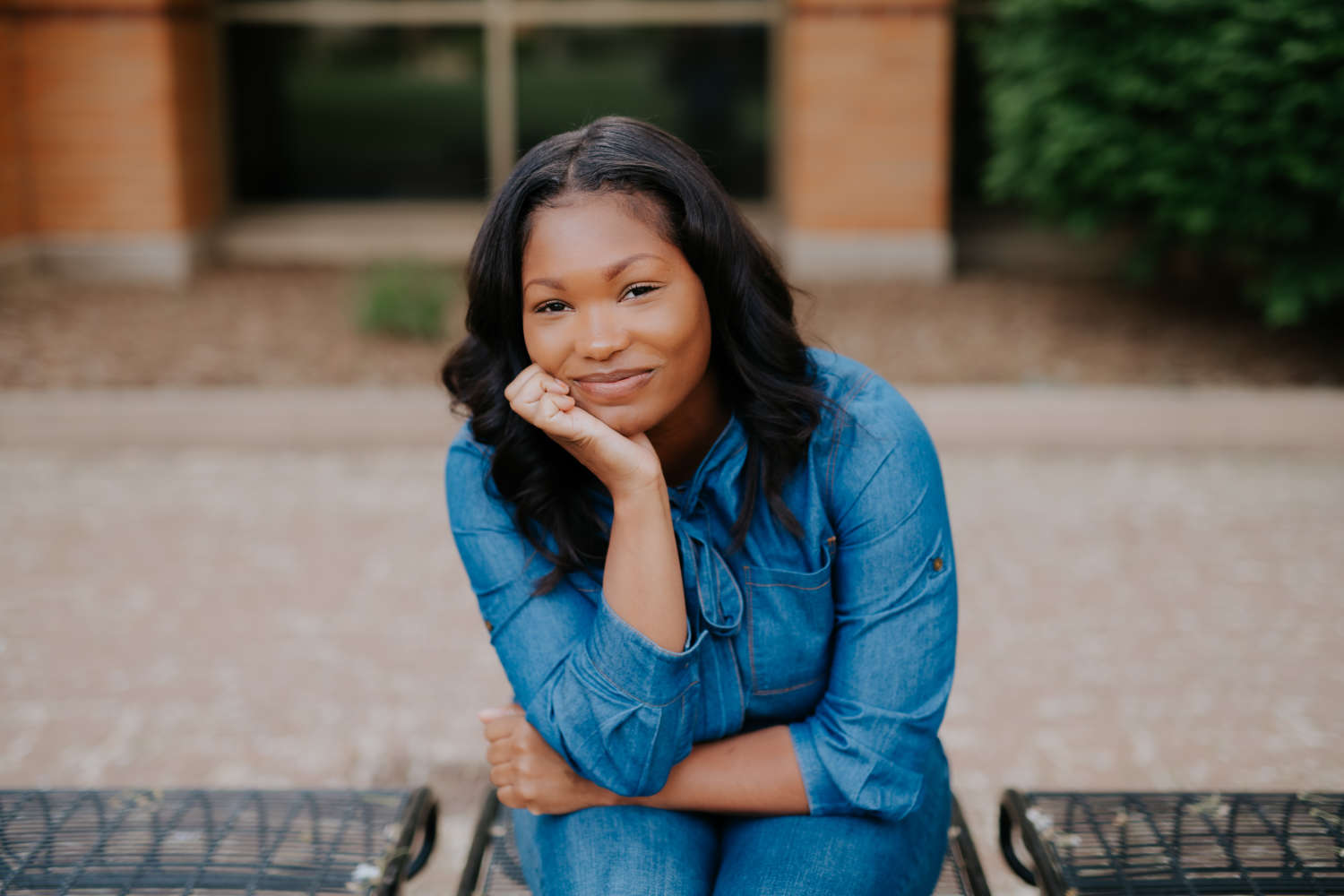
Antonia “Toni” Gordon is a native of Muskegon Heights, Michigan. Prior to starting her journey as a doctoral student, Antonia held positions with the Government Accountability Office, the City of Philadelphia’s mayor office, and the U.S. Army. She joined Michigan State University’s Political Science Department in 2021 as a Michigan State Interdisciplinary Training in Education and Social Science (MITTENSS) Fellow.
Her research explores the social, economic, and behavioral consequences of state intervention in Urban/Minority serving communities. Her unique take on education policy demonstrates how school accountability goes beyond education institutions to impact the public that schools service. Antonia’s long-term goal/practical implication for her research includes understanding the design of accountability policies, and whether approaches to design could better support students and communities.
In addition to her scholarly work, Antonia serves as the graduate assistant at MSU’s Women of Color Initiatives (WOCI) where she created the community health program. In this role, Antonia facilitated wellness programing with community-based partners that offer WOC targeted services. The impact of these partnerships helped to build a robust network of support for graduate student health while extending WOCI’s educational programing to women outside of the university.
Antonia is also a member of the National Association for the Advancement of Colored People (NAACP), the League of Women Voters – Detroit, and the National Council for Negro Women (NCNW) where she serves on the national youth and collegiate affairs and social Justice committees. Through these organizations, Antonia teaches urban youth about civic engagement, service, and voting rights.
Johnathan Hill
Curriculum, Instruction, and Teacher Education (CITE)
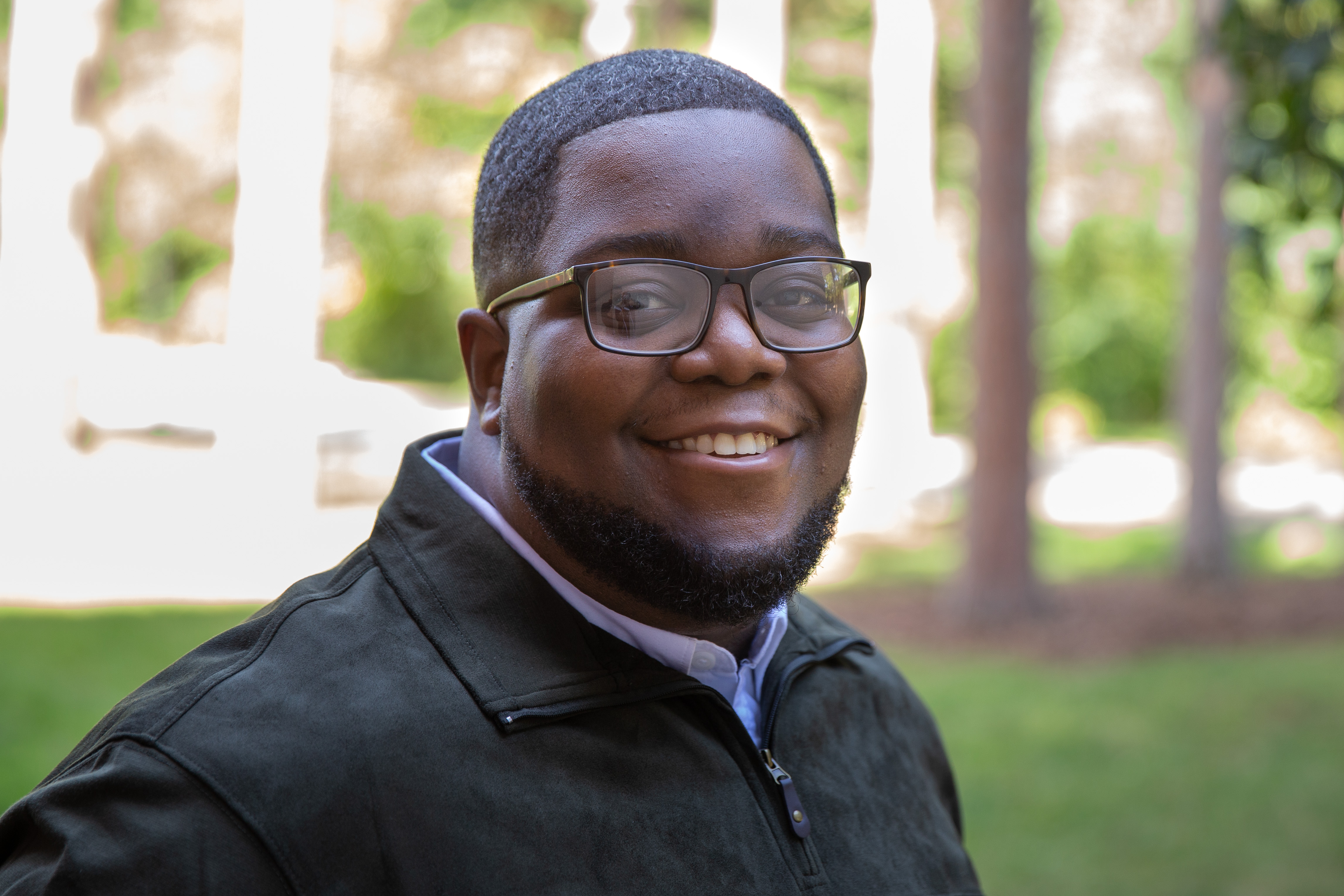
Johnathan Hill is a doctoral candidate in the Curriculum, Instruction, and Teacher Education program in the Michigan State University College of Education. His research centers on amplifying the voices of rural Black people, schools, and communities to help bring new insights on the identity and lived experiences of Black people which have created uneven understandings of Black schooling and Black placefulness.
His dissertation project seeks to trace and untangle the cross-generational role of Black rurality in the pedagogical practices, politics, and schools of the Rock of Waters community by engaging the voices and stories of rural Black placefulness in the existential, social, and material homeplace of community members.
Furthermore, Johnathan extends his scholarly commitments beyond research into his advocacy and service through his recruitment of more teachers of Color for the State of Mississippi through the Mississippi Teacher Corps Program; his mentorship and training of MSU undergrads and MTC interns in working with learners from a wide range of cultures and backgrounds; and his supporting of underserved schools and communities in the Mississippi Delta through providing scholarships and school supplies by way of the Mississippi Delta Equitable Education Project.
Prior to beginning his studies at MSU, Johnathan served as a middle and high school mathematics teacher in Mississippi, his home state. He earned a Bachelor of Science in Mathematics from Thee Jackson State University and a Master of Arts in Teaching from the University of Mississippi through the Mississippi Teacher Corps (MTC) Program.
Kaelyn Sanders
Criminal Justice

Kaelyn Sanders is a Ph.D. Candidate in Michigan State University’s School of Criminal Justice. Her research interests include community supervision, reintegration, digital exclusion, and intersectionality, and she is passionate about advocating for a more equitable criminal legal system.
Her dissertation research will qualitatively examine digital exclusion among Black returning citizens in Genesee and Wayne County, MI. Kaelyn’s research has been featured in the Journal of Criminal Justice, Feminist Criminology, and the Kansas Journal of Law and Public Policy. During her time in graduate school, Kaelyn has actively worked to increase DEI in her program by serving as the graduate assistant for her program’s Prospective Doctoral Student Recruitment and Retention Program Grant.
In this role, she works to increase DEI in her graduate program by meeting with students at MSIs and HBCUs and assessing areas where current graduate students can be better supported. Kaelyn is also a National Science Foundation Graduate Research Fellow and a 2024 National Academies of Sciences, Engineering, and Medicine Mirzayan Science and Technology Policy Fellow. Prior to her time at MSU, Kaelyn received her B.A. in Sociology and Criminology from The Ohio State University.
Gloria J. Ashaolu
History
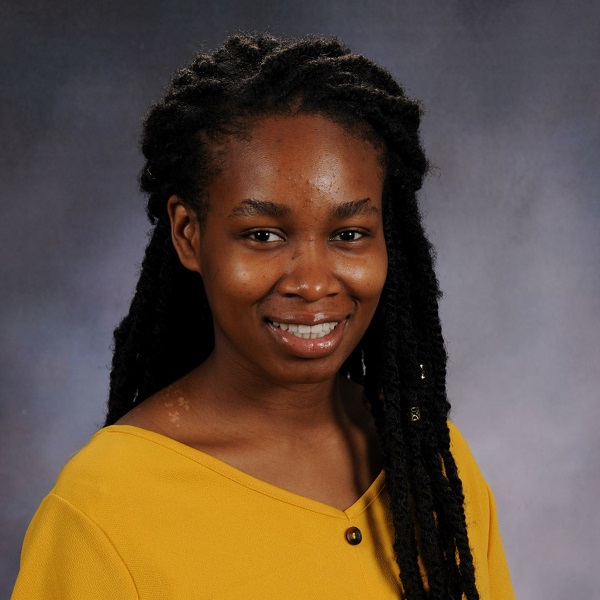
Gloria J. Ashaolu is a candidate for the Ph.D. in history at Michigan State University. Her research interests include, but are not limited to, the history of Black education, Black women’s history, Black intellectual history, the Black historical enterprise, and the Black Diaspora.
Her dissertation project seeks to attend to the underappreciated educational activism and evidence-based intellectual philosophies, pedagogies, and praxes of Black female teachers during the Early Black History Movement.
It also examines the regional, national, and international organizing efforts of Midwestern Black women toward the advancement of the Black freedom struggle. As a Future Academic Scholars in Teaching (FAST) Fellow, her IRB-approved project seeks to examine how the cognitive flexibility and complementary auditory learning that story-telling podcasts offer, and the narrative forms present promote an increased application-based enriching comprehension of historical themes discussed in a class and their broader relevance in contemporary society.
Through her academic studies and community engagements, and commitment to a career of learning, teaching, research, advocacy, and servant-leadership, Ashaolu aspires to create meaningful historical work that helps us better understand the present through our collective history, coupled with effective, innovative, and educational instructional practices.
Chelsie Boodoo
Biosystem and Agricultural Engineering
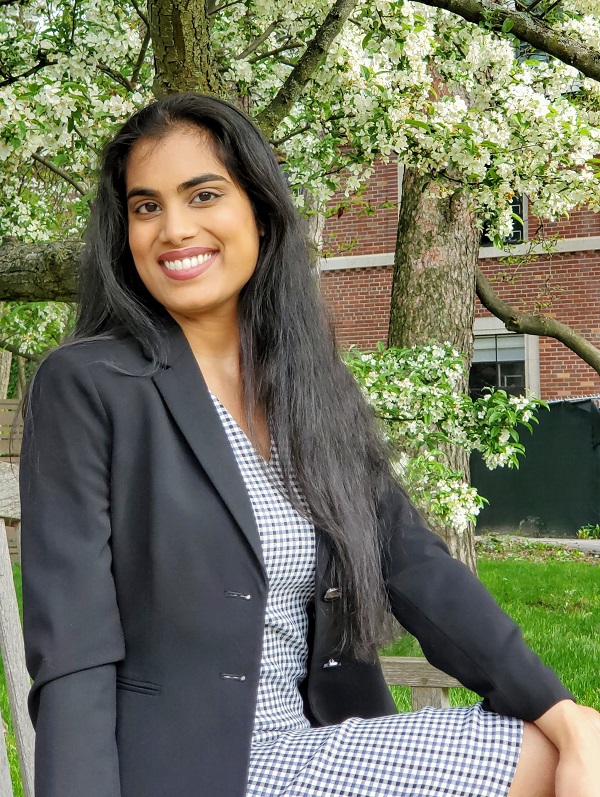
Chelsie Boodoo is a candidate for the Ph.D. in biosystem and agricultural engineering at Michigan State University. She created biosensors for Staphylococcus aureus and African Swine Fever Virus in her research in Dr. Alocilja’s lab.
She also works to connect researchers worldwide to save lives through the Global Alliance for Rapid Diagnostics. She has collaborated with fellow students in designing a welcoming environment that fosters all aspects of science communication (scicomm) in a modern, dynamic, and youthful way for all.
Her passion for scicomm drives her to find unconventional and inspiring ways to mix science with the art of storytelling. This led her to be the founder and President of MSU SciComm. In addition, Chelsie co-hosts the award-winning show, “The Sci-Files”, with Daniel Puentes on Impact 89FM, where they explore various MSU student research topics.
Jada Gannaway
History
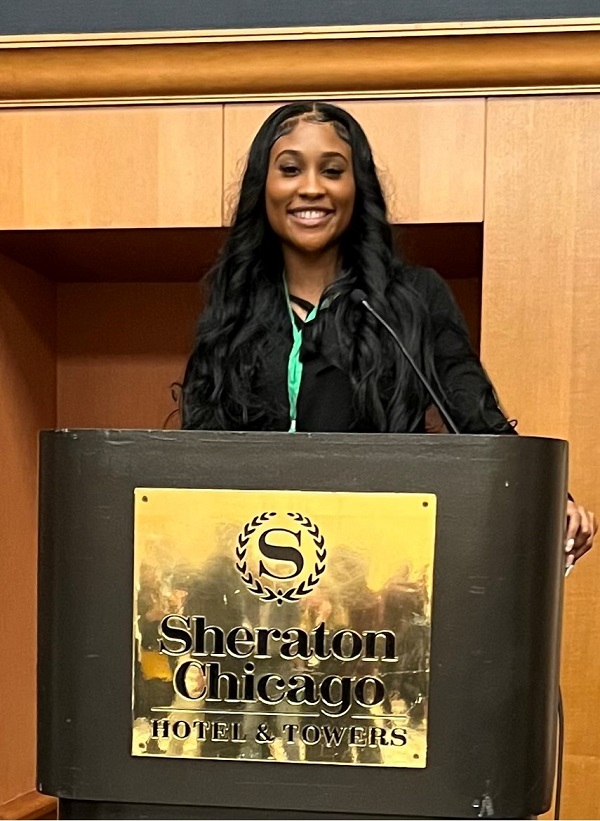
Jada Gannaway is a third year PhD student at Michigan State University. She is expected to complete her PhD program in the spring of 2025. Her research interests include, but are not limited to, twentieth century radical politics in the Caribbean with wide interdisciplinary interests in the African Diaspora and Black women’s history.
Gannaway is currently working on a political biography of Trinidadian-born activist, Althea Jones-Lecointe, who was an instrumental figure of the Black Power Movement in the U.K. during the late 1960s early 1970s. Furthermore, her work in progress explores the transatlantic connections between Trinidad and the U.K. through the life and experiences of Jones-Lecointe.
She intends to spend the upcoming Fall semester abroad in London to conduct archival research on the political contributions of Jones-Lecointe and other Black West Indians during the Black Power era. Gannaway is the recipient of the 2023 Kathy Chamberlain Research Award and the 2022 North Atlantic Conference on British Studies Diversity and Inclusion Fellowship.
She currently serves as a member of the 2022-2023 Graduate Student Advisory Council for the College of Social Science and as a Graduate Assistant to MSU’s Womxn of Color Initiative. Gannaway is a proud alumna of North Carolina Central University.
Chanteliese Watson
Education Policy and K-12 Educational Administration

Chanteliese Watson is a dual Ph.D. student in educational policy and K-12 educational administration at Michigan State University. Her research aims to analyze connections between teacher retention, vicarious trauma, and their personal social and emotional learning (SEL).
In fitting this gap into the larger conversation of teacher labor markets—specifically teacher retention—Chanteliese is interested in understanding how SEL practices and policies for teachers impact their stress levels, job satisfaction, effectiveness measures, and student outcomes.
She is passionate about bridging the gaps between education research, policy, and practice. She recently co-authored a paper published in Equity in Education & Society examining inequities that schools faced during the initial outbreak of the COVID-19 pandemic.
Chanteliese is a member of MSU’s Black Graduate Student Association (BGSA) and Collaborating Across Education Policy Students (CAEPS). She earned a Bachelor of Arts in English from Howard University and a Master of Urban Education from Union University through the Memphis Teacher Residency (MTR) program. Prior to beginning her studies at MSU, Chanteliese served as an elementary school teacher in Memphis.
Antonio White
Neuroscience
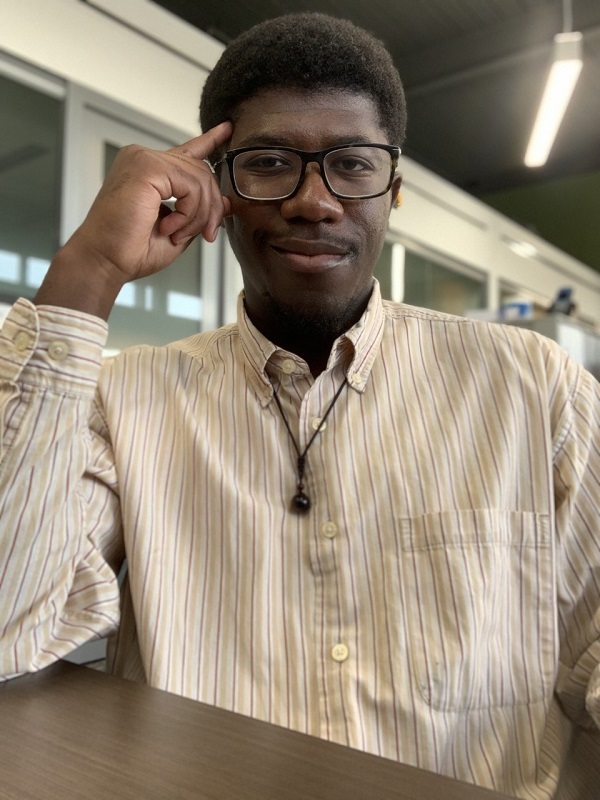
Antonio White is a candidate for the Ph.D. in neuroscience at Michigan State University. His research focuses on brain gut axis signaling. He is examining maternal gut microbiome contributions to maternal behavior and identifying metabolites that gut microbiome uses to impact maternal behaviors in mice.
Antonio has presented scientific posters at local and international conferences in his field of study. He was a (2021-2022) Future Academic Scholars in Teaching Fellow and was selected to participate in the College Online Academy at MSU. He has served as a teaching assistant in genetics, neurosciences and biology courses Antonio is active help in the MSU community.
He is a social chair within the Neuroscience Program that develops social communal events among undergraduate students, graduate students, and faculty. He serves as a graduate student mentor in the Pathway to research program and assists marginalized students in STEM to seek research opportunities at MSU and other universities.
He serves as the current president of the Black Graduate Student Association, advocates on behalf of Black graduate students, and develops community events that support the needs of Black graduate students.
Antonio’s long-term goal is to become a research professor at a Historically Black College/ University and bring the field of neuroscience to HBCUs that do not have a neuroscience curriculum.
Ajamu Amiri Dillahunt
History
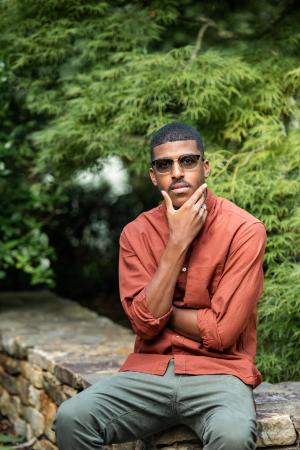
Ajamu Amiri Dillahunt is a PhD candidate in the Department of History at Michigan State University and an Interinstitutional Scholars for Diversity and Inclusion and Research Instructor in the Department of History at East Carolina University.
His research is on twentieth century African American history with a focus on the U.S. South, labor, and the Black Freedom Struggle. For his dissertation project, he is exploring the contributions of the Black Workers for Justice to the long Black Freedom Struggle. Extensive archival research and oral history (interviews) are central to his approach.
Ajamu is an Assistant Editor with Black Perspectives, the award-winning Blog of the African American Intellectual History Society and board member of the Interreligious Foundation of Community Organizations (IFCO) and the North Carolina Environmental Justice Network (NCEJN).
He has served as an intern with the SNCC Digital Gateway Project at Duke University, a “Book Acquisition” student worker at Duke University Press, and an Editorial Assistant for The Journal of African American History, the oldest and leading scholarly journal in its field. In May of 2019, Ajamu graduated from North Carolina Central University with a BA in History and a BA in Political Science.
Monique N. Noel
Chemistry
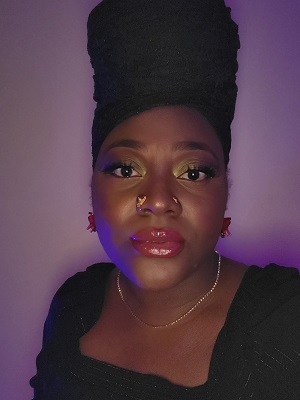
Monique N. Noel is a PhD candidate in the Department of Chemistry at Michigan State University. Her research is in the area of Computational Chemistry with a focus on Computational Materials Science. She recently published an article in the “Young Investigator Special Issue” of Surface Science (December 2021) in which she and her co-authors “used first principles calculations to study various surface terminations of the Ca5Ga2Sb6 structure as a mechanism to understand its crystal growth morphology.”
She has presented at and participated in conferences and symposia related to her field of study. She has also served as served as a teaching assistant and as a mentor and writing coach for undergraduate students in the MSU Summer Research Opportunity Program (SROP). Serving her community and “giving back” is important to Monique.
She has participated in and worked on a range of initiatives with various organizations, including the National Organization for the Professional Advancement of Black Chemists and Chemical Engineers (NOBCChE), the MSU Alliance for Graduate Education and the Professoriate, and the Lansing Brach of the National Association for the Advancement of Colored People (NAACP). She is driven by the notion that “there is no limit to what we can accomplish with faith and determination.”
Jaleah Rutledge
Ecological-Community Psychology

Jaleah Rutledge, MA is a PhD candidate in the Ecological-Community Psychology program in the Department of Psychology at Michigan State University (MSU). Her research focuses on racial health disparities, health equity, and health promotion among marginalized populations. She is interested in understanding and utilizing strengths-based approaches for the promotion and protection of Black women’s sexual and reproductive health.
Her scholarly contributions have been published in Drug and Alcohol Dependence and AIDS and Behavior. Jaleah is a University Enrichment Fellow, and her research has been supported by the Minority Health International Research Training Program sponsored by the National Institutes of Health, the Career Advancement for Research in Health Equity (CARE T37) program funded by the National Institute on Minority Health and Health Disparities, and the TIAA Ruth Simms Hamilton Graduate Merit Fellowship.
Jaleah has been a servant leader at MSU in various capacities. She has served as the graduate student member of the College of Social Science Dean’s Advisory Board on Diversity and Inclusion, a Graduate Leadership Fellow for the College of Social Science, a steering committee member of the Alliance for Graduate Education and the Professoriate, and a leader in MSU’s Black Graduate Student Association. Jaleah’s long-term goal is to become a professor and develop a program of research that will create a future where Black women are no longer disproportionately affected by adverse sexual and reproductive health outcomes.
Courtney M. Bryant
Organizational Psychology
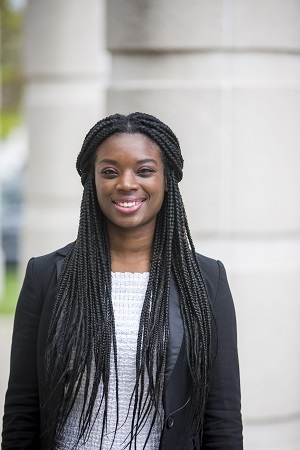
Courtney M. Bryant is a Ph.D. candidate in Organizational Psychology at Michigan State University. Her research focuses on dimensions of authenticity in the workplace, including minority experiences at work, diversity and discrimination, and coworker relationships.
Her dissertation, which has been awarded a Michigan Psychological Association Foundation Dissertation Award and The Benjamin Schneider Scholarship by the Macey Fund, explores the relationship between identity switching (colloquially known as code-switching) and well-being and burnout at work for Black employees. As a National Science Foundation Graduate Research Fellow, Courtney has worked on several publications in academic journals such as Equality, Diversity, and Inclusion: An International Journal and The Harvard Business Review.
Courtney currently works as an Associate at Ford Motor Company in the Global Office of Diversity, Equity and Inclusion where she employs data and analytics to guide corporate decision making that creates, maintains, and improves a diverse and inclusive culture of belonging. Courtney has also served in leadership positions at MSU as a College of Social Science Leadership Fellow, one of two graduate students on the Graduate School Strategic Planning Committee, a member of the Steering Committee for the Alliance of Graduate Education and the Professoriate (AGEP), and the founder of her her program’s Community Service Committee. Courtney plans to continue personifying the science-practitioner by remaining active in academia while also working in the field with organizations.
Briona Simone Jones
English
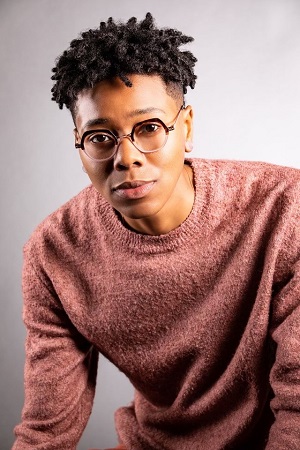
Monique N. Noel is a PhD candidate in the Department of Chemistry at Michigan State University. Her research is in the area of Computational Chemistry with a focus on Computational Materials Science. She recently published an article in the “Young Investigator Special Issue” of Surface Science (December 2021) in which she and her co-authors “used first principles calculations to study various surface terminations of the Ca5Ga2Sb6 structure as a mechanism to understand its crystal growth morphology.”
She has presented at and participated in conferences and symposia related to her field of study. She has also served as served as a teaching assistant and as a mentor and writing coach for undergraduate students in the MSU Summer Research Opportunity Program (SROP). Serving her community and “giving back” is important to Monique.
She has participated in and worked on a range of initiatives with various organizations, including the National Organization for the Professional Advancement of Black Chemists and Chemical Engineers (NOBCChE), the MSU Alliance for Graduate Education and the Professoriate, and the Lansing Brach of the National Association for the Advancement of Colored People (NAACP). She is driven by the notion that “there is no limit to what we can accomplish with faith and determination.”
Ti’Air Riggins
Biomedical Engineering
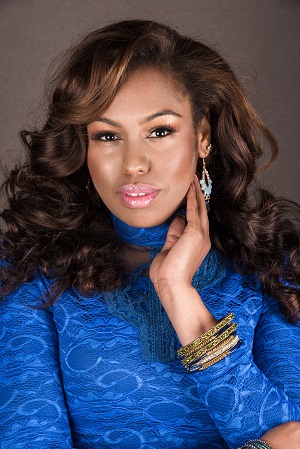
Ti’Air Riggins is a Ph.D. candidate in Biomedical Engineering at Michigan State University. She received her bachelors in Biomedical Engineering from The Ohio State University in 2011 as the first Black undergraduate BME student, and proceeded to earn a master’s from the University of Cincinnati in 2013. Beginning her Ph.D. at Purdue, she transferred to Michigan State in January 2019.
Her research focus is integrating tissue engineering with implantable electrodes to tune immune response in the brain, in the REIL lab under the direction of Dr. Erin Purcell. She is a co-founder for Black In Neuro, the Academia Chair for the Health Innovations special interest group of the National Society of Black Engineers, a local organizer for Com Sci Con MI, and a member of the speaker’s bureau for the Rape and Incest National Network. She has also served in the community under her platforms of sexual assault awareness and exposing underrepresented students to STEM as Miss Indiana United States 2015.
She has received awards for her social justice work (2016) and humanitarian efforts (2018). She was named a fellow in the Society for Neuroscience from 2016 – 2018 and is also a NIH F99/K00 fellowship awardee. Her future goals include managing her own lab and being a successful entrepreneur and mentor for students who are underrepresented students in neuroscience and engineering.
Christopher M. Shell
History
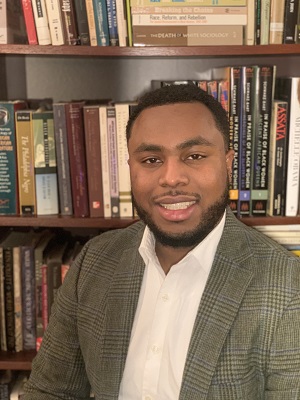
Christopher M. Shell is a Ph.D. candidate in the Department of History at Michigan State University. Christopher’s research interests include the modern Caribbean, immigration and migration, labor history, Black theology, and Black socio-political liberation movements during the twentieth century. His dissertation is a political narrative of the impact that Black Leeward Islanders had on radical socio-political organizing in Bermuda and New York City during the interwar period, told through the lens of Antiguan-born Reverend Richard Hilton Tobitt.
A recipient of MSU’s University Endowment Fellowship, his research has also been supported by several MSU awards including the Walker Hill International Award and the TIAA Ruth Simms Hamilton Graduate Research Fellowship. He has served as an editorial assistant for the African American Intellectual Historical Society (AAIHS) and The Journal of African American History. Since 2019, he has served as the on-campus advisor for MSU’s Zeta Delta chapter of Alpha Phi Alpha Fraternity, Inc. Community is extremely important to Christopher.
He is a member of MSU’s Black Graduate Student Association (BGSA) and Alliances for Graduate Education and the Professoriate (AGEP). Upon completion of his Ph.D., Christopher looks forward to fulfilling his lifelong dream of becoming a history professor. In this capacity, he intends to publish his research, teach courses on the African diaspora, and mentor undergraduate and graduate students.
Jennifer Watts
Molecular, Cellular, and Integrative Physiology
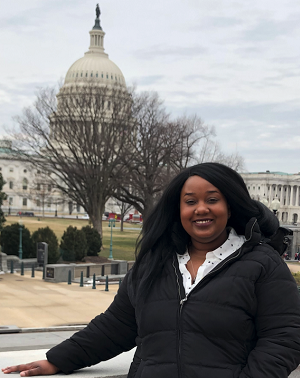
Jennifer (Jenn) Watts is a Ph.D. candidate in the Molecular, Cellular, and Integrative Physiology program at Michigan State University. Her research focuses on the Zika virus (ZIKV) origins of congenital birth defects. In her efforts to study viral pathology in development, Jenn utilizes mouse embryos, embryonic-derived stem cells, and single-cell functional analysis.
She has discovered that ZIKV infected embryos days after fertilization undergo embryo demise, particularly affecting cells that become the baby. These findings are significant to human health providing knowledge on the impact of infections on early pregnancy outcomes. Jenn’s work has resulted in National Institute of Child and Human Development (NICHD) funding through MSU’s Reproductive and Developmental Sciences Training Program and multiple presentation awards.
Jenn is dedicated to outreach and professional development which includes her work with MSU’s Summer Research Opportunities Program, Graduate Women in Science’s Girls Math and Science Day, and the 2019 Alliance for Graduate Education and Professoriate (AGEP) Capitol Hill Trip team. In 2020, Jenn won the faculty-nominated Biochemistry and Molecular Biology Outstanding Graduate Student Teaching Award and secured funding for the last year of her studies.
She serves as the Editor-in-Chief of the inaugural AGEP Graduate Student Survival Guide and an inaugural member of the Advancement, Cultivation and Training Future Faculty Program, both of which help upcoming generations of underrepresented trainees navigate graduate education and their future careers. Jenn is passionate about leveraging her achievements to promote inclusivity in the biomedical field, something she plans to continue in the future.
Carl E. Fields
Physics & Astronomy

Carl E. Fields is a Ph.D. candidate in the Department of Physics & Astronomy at Michigan State University. Carl’s research focuses on astrophysical sources of gravitational waves, stellar nucleosynthesis, and multi-dimensional simulations of core collapse supernova explosions and their massive star progenitors. Carl is jointly supported by the National Science Foundation and Los Alamos National Laboratory.
During his time at MSU, he has co-authored several scientific publications, two of which he is the first-author for and one that was published in the prestigious journal Reviews of Modern Physics. Carl has also been involved in many outreach activities locally and outside of the university, including the SpaceTime project with The Planetary Society, a program aimed at connecting scientists with classrooms across the country.
He is also interested in developing new ways that technology can contribute in significant ways to the development of college-level physics and astronomy curricula. After completing his Ph.D., Carl looks to transition to a postdoctoral position. In this position, he will work on using next generation computational models of stellar explosions to make accurate predictions of multi-messenger signals for ground-based detectors.
Demetrice (Dee) Jordan
Geography, Environment and Spatial Science and Environmental Science and Policy Program
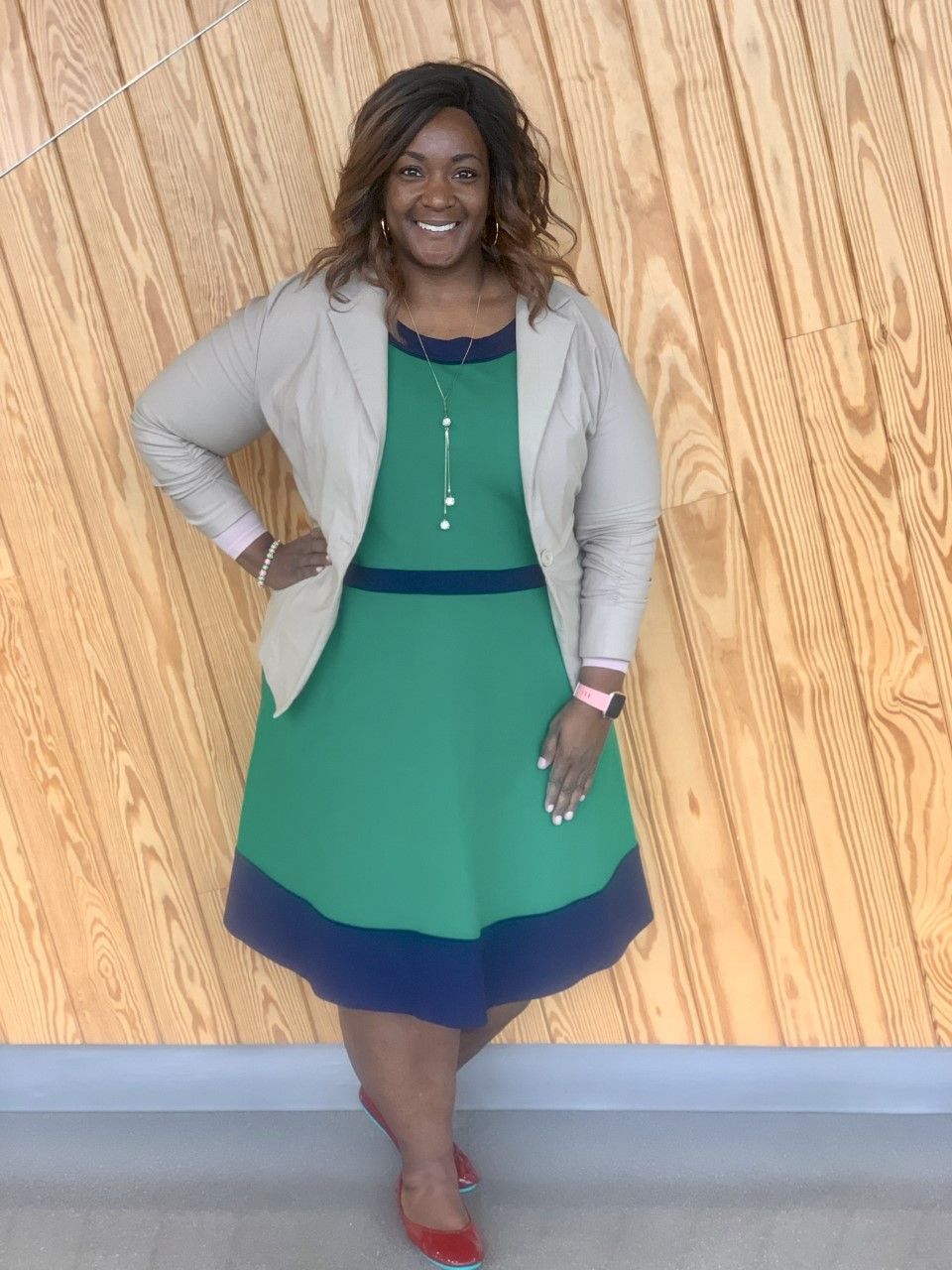
Demetrice (Dee) Jordan is a dual-Ph.D. candidate in the Department of Geography, Environment and Spatial Science and Environmental Science and Policy at Michigan State University. Her dissertation focuses on risk reduction approaches to tsetse and trypanosomiasis control in sub-Saharan Africa. African trypanosomiasis is a vector borne parasitic illness transmitted by the bite of the tsetse fly, effecting both humans and animals.
Dee is the founder and current co-leader of the Advancing Geography Through Diversity Program (AGTDP), an innovative program focused on diversifying the graduate program in her department. Dee is the 2020 Association of American Geographers Enhancing Diversity Award winner, becoming the first graduate student to receive this honor. In 2019, she received a Dr. Martin Luther King Jr. Endowed Scholarship, the Council of Graduate Students Disciplinary Leadership Award, and the E. James Potchen Award for Outstanding Graduate Student of the Year in Geography.
In 2018, Dee was named MSU’s Excellence in Diversity Awards Individual Emerging Progress recipient and the Black Faculty, Staff and Administrators Association’s Graduate Student Emerging Leader. Dee is a member of the College of Social Science Dean’s Advisory Board for Diversity and Inclusion. She has also been actively involved in student government at MSU, serving two terms on the Council of Graduate Students from 2015-2017, becoming the first African American woman elected to the organization’s executive board and the first African American to serve as president.
Daniel Puentes
Physics & Astronomy
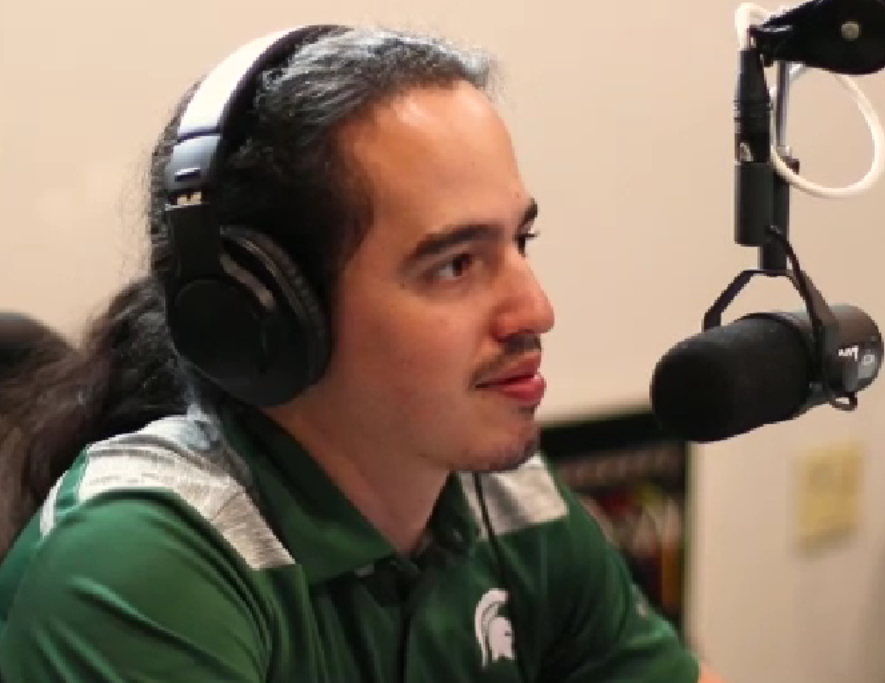
Daniel Puentes is a Ph.D. candidate in the Department of Physics and Astronomy at Michigan State University. His research specializes in experimental nuclear physics, and he carries out his research at the National Superconducting Cyclotron Laboratory (NSCL).
Daniel is a part of the Low Energy Beam and Ion Trap Group, a group that performs high-precision mass measurements to inform nuclear astrophysics and nuclear structure studies. His research focuses on the mass measurement of 24Si to constrain reaction rates and light curves observed from Type-1 X-ray bursts as well as on the creation of a gas cell with an entrance window that will be responsible for converting molecular ion beams into atomic ion beams. Daniel is also engaged with the community through different local initiatives.
He co-hosts a science radio show called “The Sci-Files,” an innovative space where graduate students are interviewed and explain their research agendas to lay audiences. He is also a part of a local city program known as the East Lansing Emerging Leaders Program, an initiative that has allowed him to learn about how the local government operates and how citizens can make a difference within their city.
Daniel is a founder and leader of a science communication organization that seeks to connect the public and scientists to show how science plays a role in today’s society. It is his vision to make science more accessible for everyone while understanding how he can use science to inform policies from the local to the federal level.
Connie Rojas
Ecology, Evolutionary Biology and Behavior
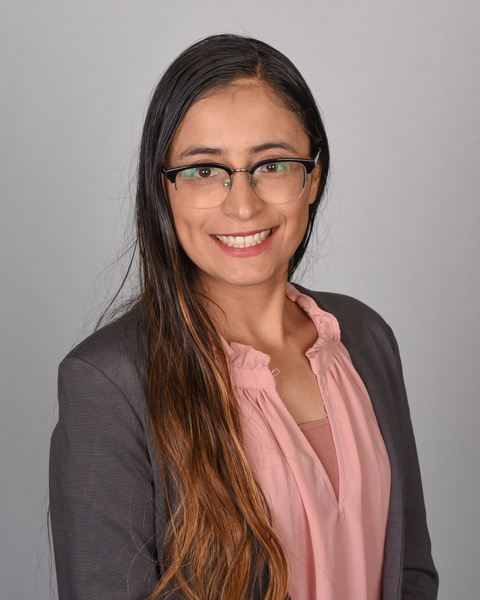
Connie Rojas is a Ph.D. candidate in Ecology, Evolutionary Biology, and Behavior at Michigan State University. Her research is at the intersection of animal behavior, ecology, microbiology, and computationally biology. Specifically, she uses next-generation sequencing to study the functional contributions and benefits of the microbiome (communities of microbes that inhabit animals’ bodies) as well as the potential ecological and social factors that may be impacting these communities. Connie has presented her research widely at national conferences and recently published an article in Oxford’s FEMS Microbiology Ecology.
Connie is currently working on a refreshing teaching-as-research project in a microbial genomics course that investigates how the utilization of interactive web apps can assist undergraduate student learning, particularly regarding key concepts and statistics. Connie is a member of the steering committee for MSU’s Alliances for Graduate Education and the Professoriate (AGEP) and serves as president of her program’s graduate student organization. She has assisted with the organizing of their annual conferences/symposia and professional development activities. Connie is passionate about mentoring youth, particularly those from underrepresented backgrounds in the academy.
For instance, she taught high school students in MSU’s Upward Bound Summer Program, and helped undergraduate students develop their poster and oral presentations for MSU’s Summer Research Opportunities Program (SROP). Her ultimate goal is to become a professor of Biology and conduct quality research as well as teach and mentor undergraduates. As a first-generation student from an immigrant and low-income background, she hopes to be a resource to many students in the academy.
John Tran
Plant Biology

John Tran is a Ph.D. candidate in the Department of Plant Biology at Michigan State University. His project aims to improve plant biofuel technologies by genetically reducing the cell wall structural integrity of plant biomass that is difficult to digest during industrial processing. He has identified a transport protein likely involved in delivering monolignols for building the lignin polymer, which is responsible for rigidifying the plant cell wall.
An Arabidopsis mutant in this gene showed substantially reduced lignin content. Findings from his research will provide insights to regulate either the amount or composition of lignin in Poplar and other biofuel crops. John advocates for greater representation of research from Asian American graduate students. He is a founder and served as president of APAGA, the Asian Pacific American Graduate Alliance. He also worked to support multicultural graduate student programming efforts as a steering committee member for AGEP, the Alliance for Graduate Education and the Professoriate, and led as Editor for its science bulletin.
He mentors undergraduate student research assistants in his lab, an experience he views as valuable for integrating research experiences into the undergraduate biology curriculum, and thus helping students broaden their ideas for career opportunities in STEM. He has been selected to participate in several teaching and learning professional development opportunities at MSU, such as the Data Visualization Institute and the Future Academic Scholars in Teaching (FAST) Fellowship Program. A fellow for the Spartan Innovation Venture Fellowship program, he aspires to become a faculty entrepreneur.