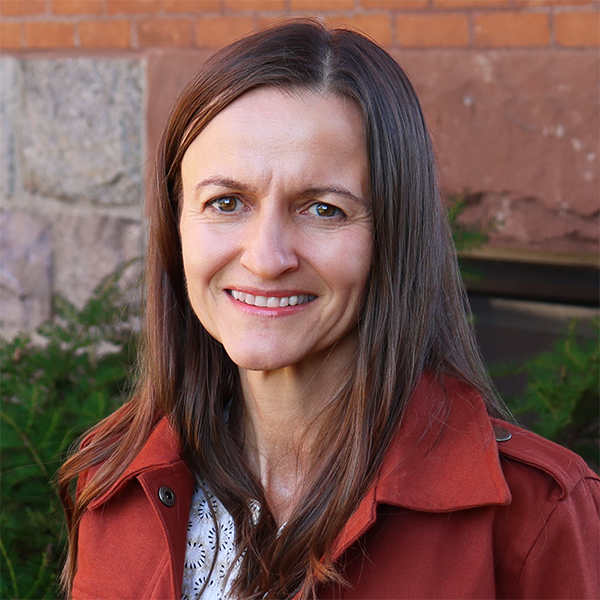
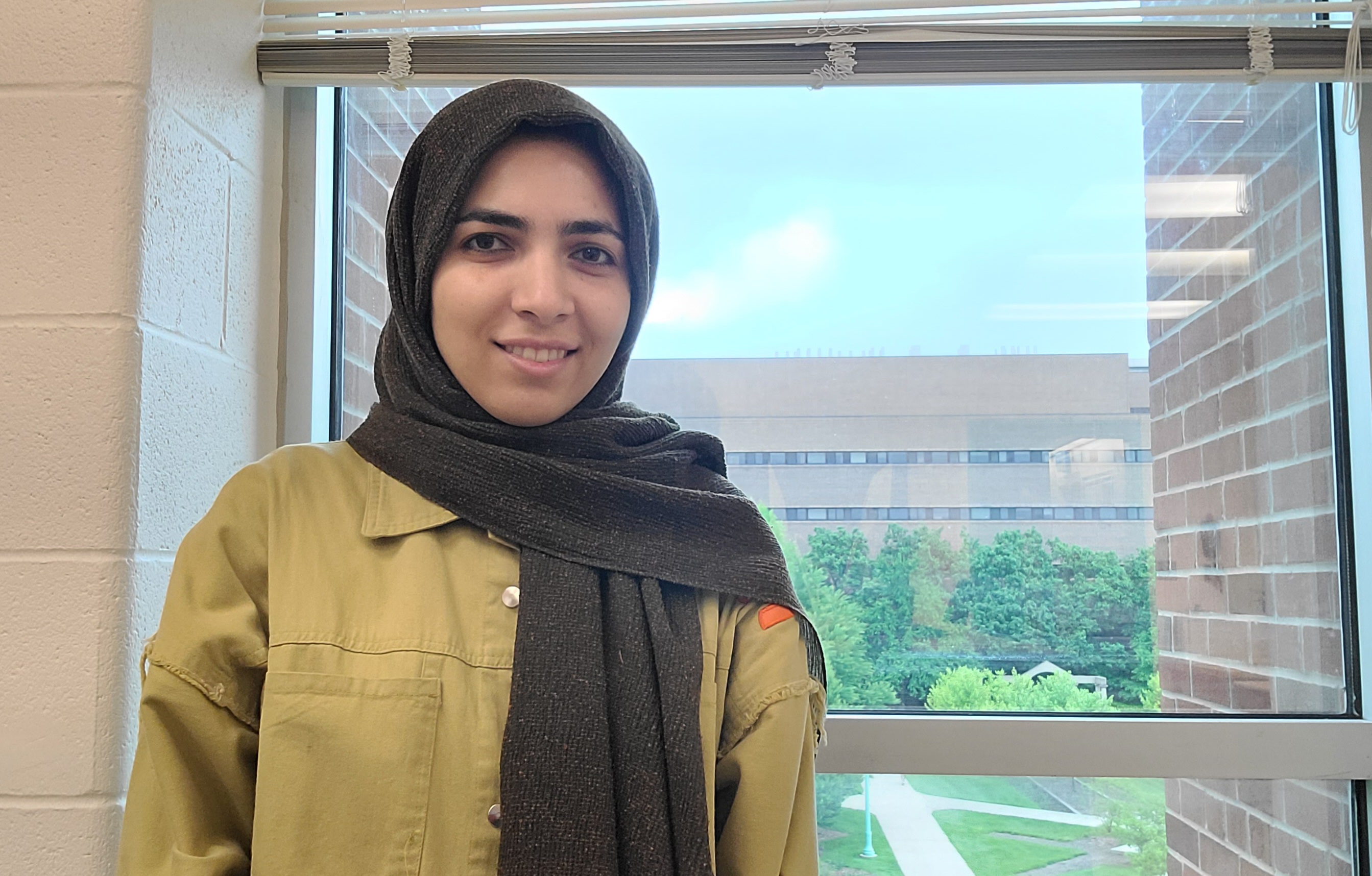
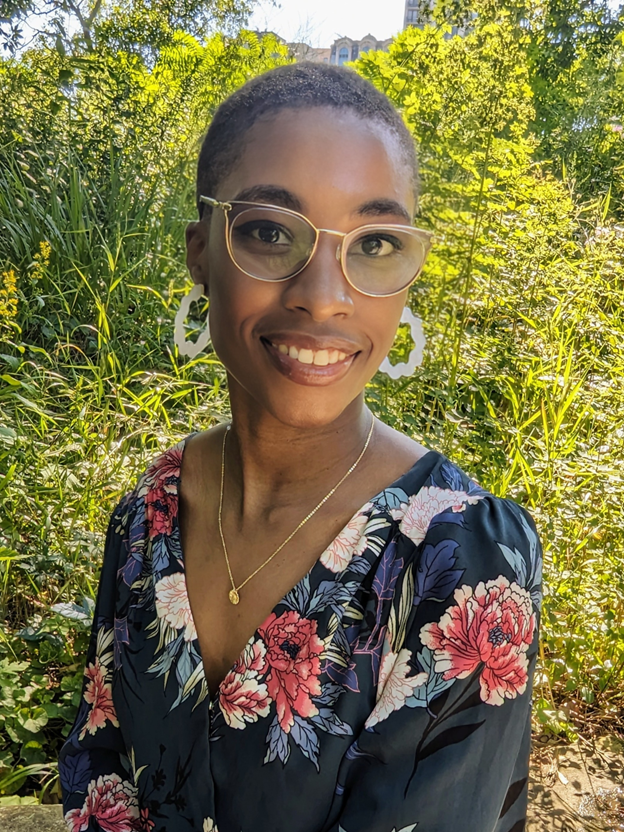
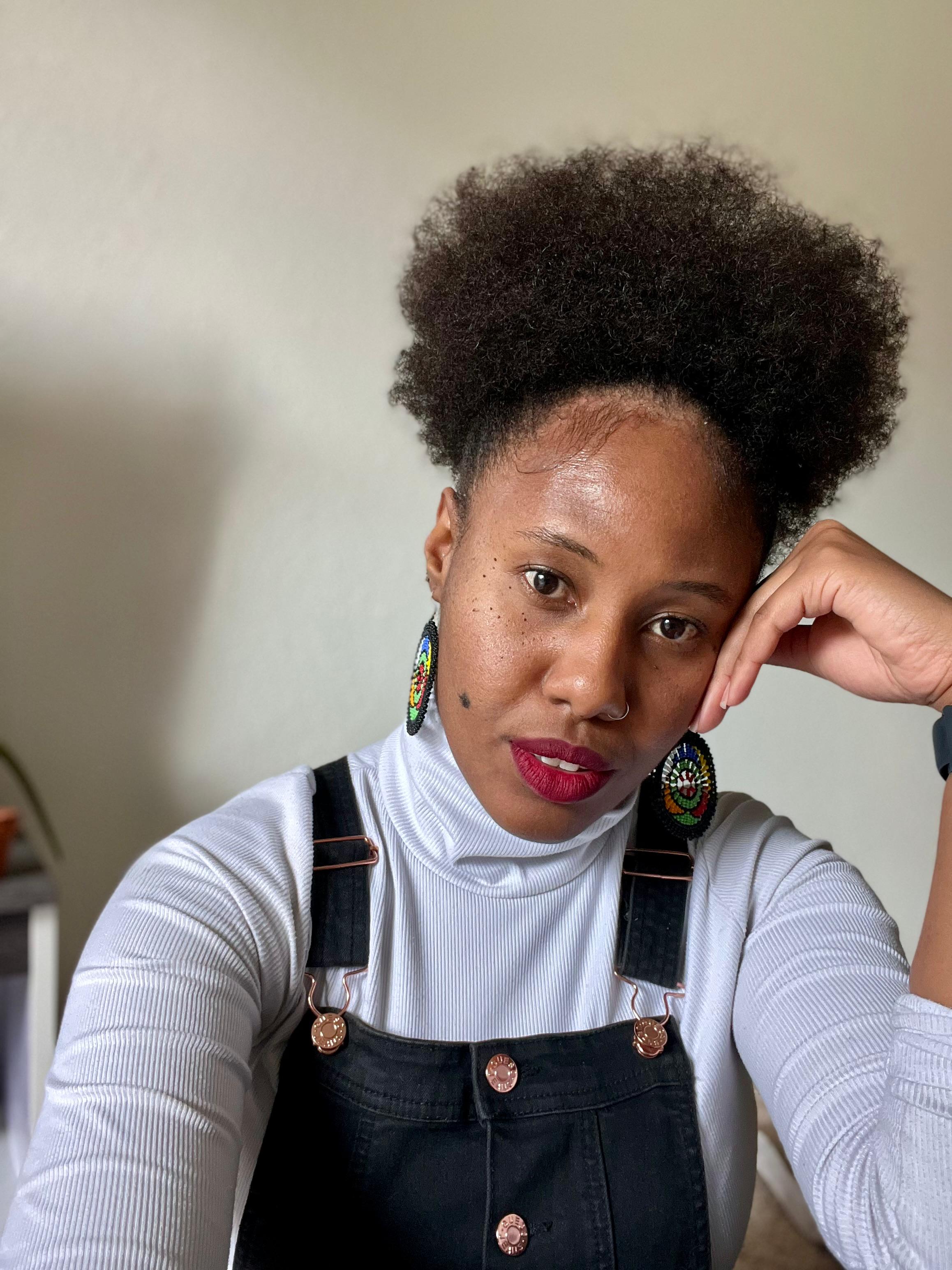
Stefanie Baier is the Director of Instructional Development for Graduate Students and Postdocs at the Graduate School at Michigan State University. In her role she is in charge of the curriculum for Graduate Teaching Assistant (GTA) preparation, manages teaching professional development of graduate students and postdoctoral scholars, and (co-)facilitates pedagogy workshops on various topics and Teaching Philosophy Statement workshops.
Her research interests include student success and retention and the impact of diversity, academic, and psychosocial factors on college outcomes. She also engages in the Scholarship of Teaching and Learning and has published on various topics and served as reviewer for journals. In her evaluation work she has focused on assessment of professional training and support programs (learning communities, student success and mentoring initiatives), and international student success.
Stefanie has teaching experience at the K-9, undergraduate, and graduate levels. She is a member of the Professional Organizational Development (POD) Network and co-chairs the GPPD Assessment Committee. She is also a member of the American Educational Research Association (AERA).
Stefanie Baier holds an M.A. in Educational Psychology from Eastern Michigan University and a Ph. D. in Educational Psychology from Wayne State University. She also earned a B.A. in Elementary Education and Religious Studies from the Pädagogische Akademie Graz-Eggenberg, Austria.
Dangkamol Wongthanaroj is a doctoral student in the School of Packaging at Michigan State University, with specializing in medical device packaging. Originally from Thailand, she brings both international and interdisciplinary perspectives to her role as a graduate student and graduate teaching assistant. Dangkamol has experience supporting a variety of lab and recitation classes and is passionate about creating inclusive, student-centered learning environments.
She was recognized as a Future Academic Scholars in Teaching (FAST) Fellow for the 2023-2024 academic year. She also serves as the president of the Packaging Graduate Association (PGA) 2024-2025, which is committed to building an inclusive community and creating opportunities for students to connect with industry. Outside of academics, she enjoys hot yoga and exploring new places, especially in nature.
Farnaz Tajik is a fifth-year Ph.D. candidate in the Department of Plant Biology. Her research focuses on how people talk about and recognize plants regarding Plant Awareness Disparity. She earned her bachelor's degree in Biology Education and her master's degree in Plant Biology, with interests centered on ethnobotany and biology education throughout her academic journey.
Before beginning her Ph.D. at MSU, she worked as a K-12 teacher and vice principal in Iran for six years. At MSU, Farnaz has participated in several fellowships and programs, including NRT-IMPACT, STEAM Power, FAST and the departmental Peer Mentorship Program. She also collaborates with Beal Botanical Garden for part of her research and served as an Orientation Assistant with OISS.
Farnaz values having a healthy work-life balance and enjoys activities such as art and crafts, reading, cooking, socializing and shopping. As a member of IN!SPIRES, she hopes to connect with international students, share her experiences, foster a sense of community, and help students access valuable resources.
Dangkamol Wongthanaroj is a doctoral student in the School of Packaging at Michigan State University, with specializing in medical device packaging. Originally from Thailand, she brings both international and interdisciplinary perspectives to her role as a graduate student and graduate teaching assistant. Dangkamol has experience supporting a variety of lab and recitation classes and is passionate about creating inclusive, student-centered learning environments.
She was recognized as a Future Academic Scholars in Teaching (FAST) Fellow for the 2023-2024 academic year. She also serves as the president of the Packaging Graduate Association (PGA) 2024-2025, which is committed to building an inclusive community and creating opportunities for students to connect with industry. Outside of academics, she enjoys hot yoga and exploring new places, especially in nature.
Farnaz Tajik is a fifth-year Ph.D. candidate in the Department of Plant Biology. Her research focuses on how people talk about and recognize plants regarding Plant Awareness Disparity. She earned her bachelor's degree in Biology Education and her master's degree in Plant Biology, with interests centered on ethnobotany and biology education throughout her academic journey.
Before beginning her Ph.D. at MSU, she worked as a K-12 teacher and vice principal in Iran for six years. At MSU, Farnaz has participated in several fellowships and programs, including NRT-IMPACT, STEAM Power, FAST and the departmental Peer Mentorship Program. She also collaborates with Beal Botanical Garden for part of her research and served as an Orientation Assistant with OISS.
Farnaz values having a healthy work-life balance and enjoys activities such as art and crafts, reading, cooking, socializing and shopping. As a member of IN!SPIRES, she hopes to connect with international students, share her experiences, foster a sense of community, and help students access valuable resources.
Danielle M. Cadet, M.Ed. (she/her) is a doctoral student at Michigan State University in the Human Development and Family Studies department, specializing in Diversity, Youth, and Family Development and Community Engaged Scholarship.
Her current research focuses on an ecological understanding of social empathy and critical consciousness development among teens and young adults.
She received her Master of Education in Learning & Design from Vanderbilt University and her Bachelor of Arts in Sociology from Bryn Mawr College.
Danielle brings a multidisciplinary approach to her work. She is particularly inspired by research on gendered racial identity development, positive youth development, collective memory theories, and sociocultural approaches to learning.
Deepak James is a doctoral student in the Department of Chemistry at Michigan State University, now in his fourth year focusing on the interaction of environmental pollutants with proteins. He holds a bachelor's and a master's degree in chemistry from India.
Deepak is deeply committed to inclusive teaching practices and reflective pedagogy as an educator and continually seeks to understand and implement the best methods to accommodate diverse student needs.
He has been recognized as a Future Academic Scholars in Teaching (FAST) Fellow for the academic year 2024-2025. Deepak enjoys baking, hanging out with close friends, traveling, and watching movies in his leisure time.
PhD Candidate in History and an oral historian by training, Estela Gonçalves de Souza holds a BA and MA in History from the Federal University of Juiz de Fora (UFJF), Brazil, and two certifications in Chicano/Latino Studies and Women and Gender Studies at Michigan State University.
Her research focuses on Black Masculinities in the Brazilian pre- and post-emancipation eras (1880-1910), with a special focus on the city of Juiz de Fora, Minas Gerais. In the broad implication, historicizing Black masculinities in Brazil’s post-emancipation period will help to understand the complexity of the current political-racial project that operates in the elevated rates of violence against Black male subjects, along with racialized-gendered domination.
As Brazil has the largest global population of Black subjects, save for Nigeria, it is fundamental that this work is debated in a predominantly diasporic space. Gonçalves de Souza is part of the GREAT Advisory Team and is currently engaged in several initiatives in Brazil and in the United States. She is a former IN!SPIRES Wellness Ambassador and has closely worked with the Office for International Students and Scholars (OISS-MSU) and the Center for Latin American and Caribbean Studies (CLACS-MSU).
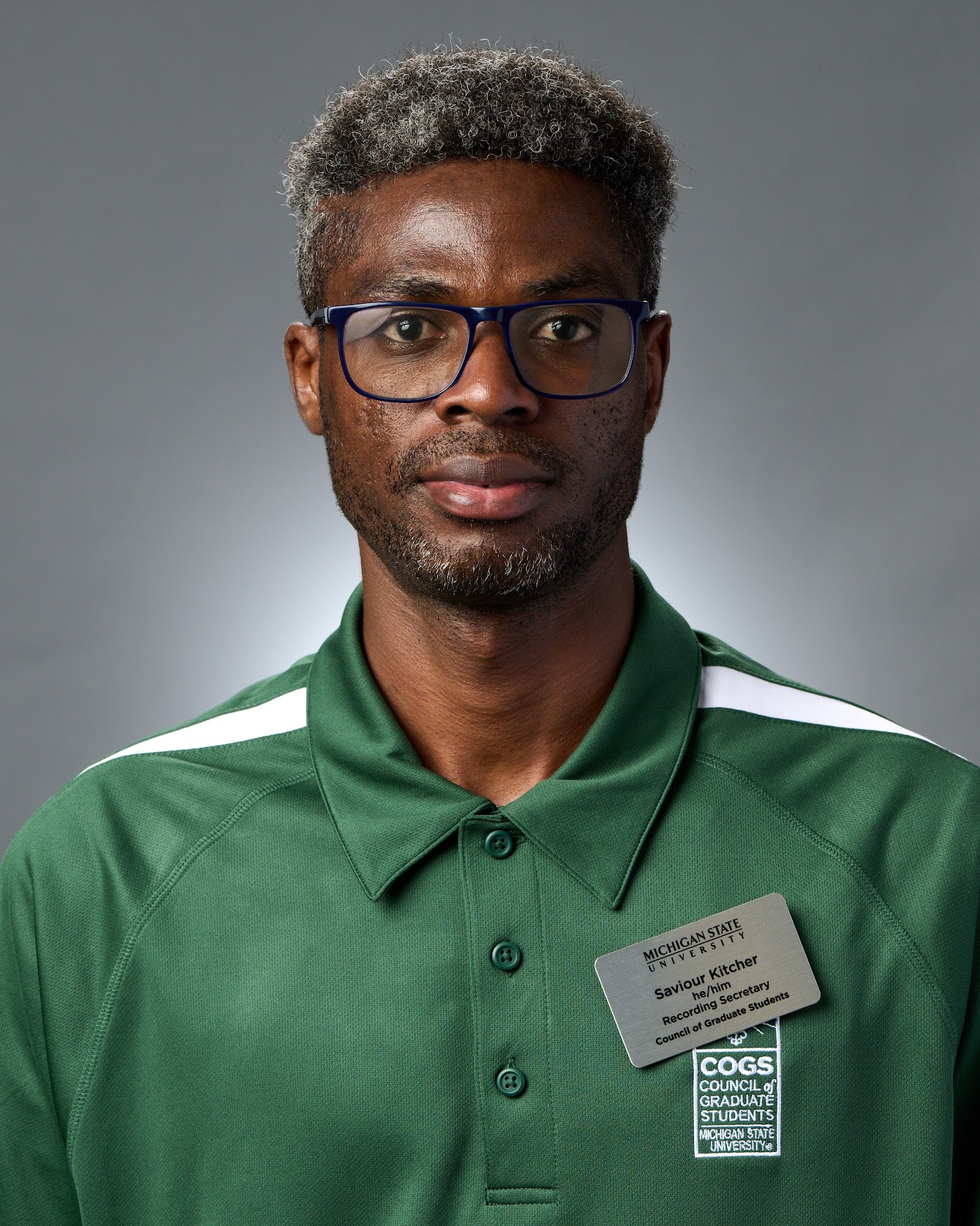
Saviour Kitcher is a doctoral student in Curriculum, Instruction, and Teacher Education (CITE) and a Teaching Assistant in the Teacher Education Department. He graduated from the University of Ghana.
His research interests focus on Project-Based Learning in social studies, Curriculum Development and Evaluation, Soccer as a means of civic engagement, Active participation, and citizenship. In his free time, he enjoys playing soccer, watching movies, reading, and doing community service.
Seth Hunt is an instructor at the Biological Sciences Program and a doctoral candidate in the Department of Plant Biology at Michigan State University. He previously earned his M.S. in Water Science at Murray State University and worked as a preceptor with the Interdisciplinary Science Learning Laboratories at the University of Delaware.
His research combines traditional aquatic ecological field work with discipline-based education research. Seth is studying the factors that influence the movement of dissolved nutrients in rivers while also working to understand how students employ systems thinking skills when reasoning with nutrient cycling models.
He has served as a graduate teaching assistant for both majors and non-majors introductory biology courses as well as upper-level courses for biology majors.
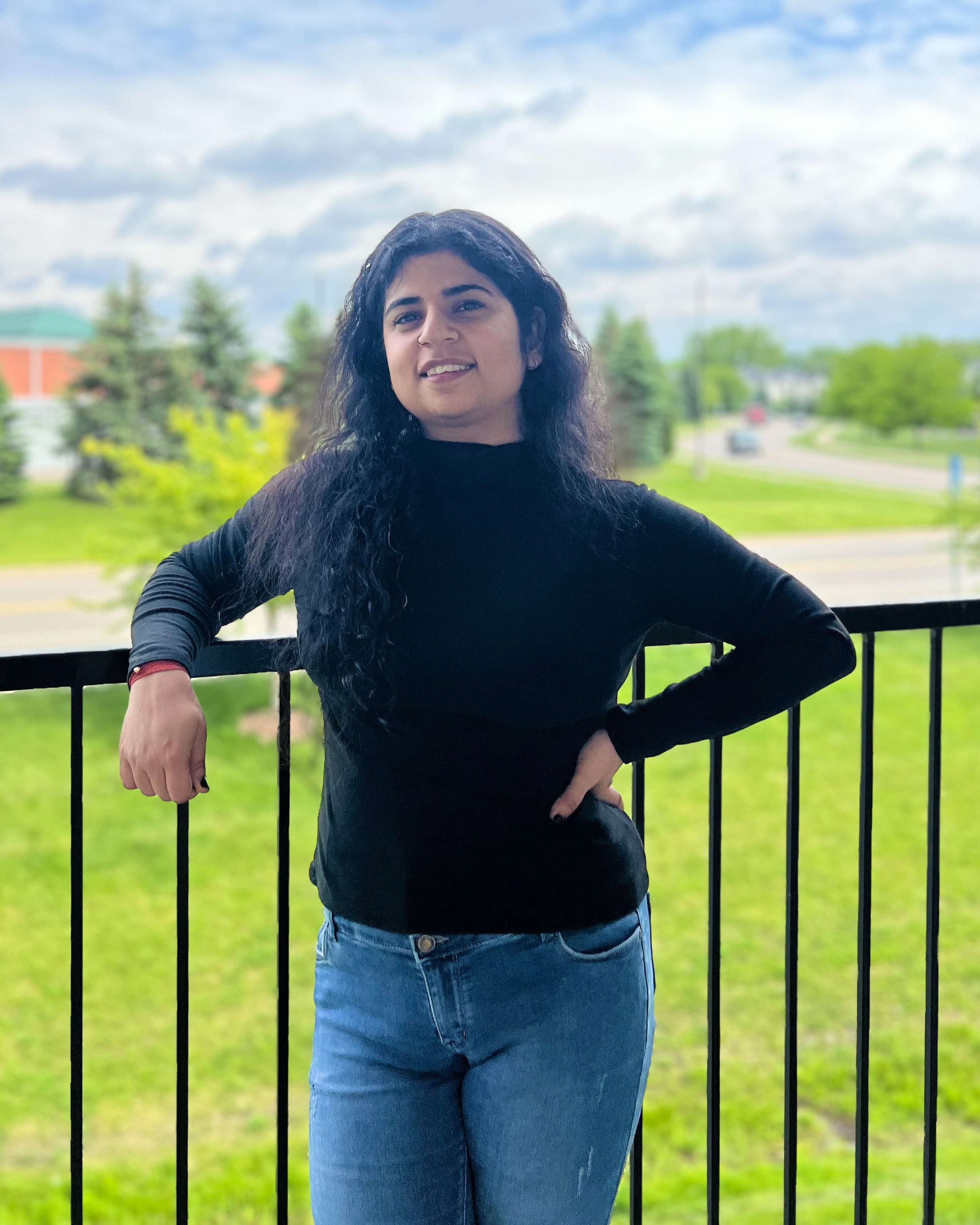
Shikha Bhutani is a 4th-year Ph.D. student at the Department of Mathematics at Michigan State University. She has earned her master's and bachelor's degrees in Mathematics from India, where she was born and raised.
She is a curious person who enjoys new adventures and opportunities in life. She loves reading Math books, solving puzzles, dancing, cooking, singing, playing badminton, and meeting new people.
At Michigan State University (MSU), she was fortunate to have performed various roles, including Teaching Assistant, Recitation Leader, Instructor of Record, Observer for young Teaching Assistants, and was also part of an Outreach program for College Algebra students.
She strongly advocates for and supports the holistic development of everyone she works with (students, colleagues) through one-on-one support meetings, mindful listening, providing, and connecting them to relevant resources, and constantly learning and updating herself of policies and evidence-based practices.
Temilade Adegoke is a doctoral student in the German Program in the Department of Linguistics, Languages, and Cultures at Michigan State University.
Her research explores the questions of belonging and identity construction among the African diaspora in contemporary Germany. She is particularly interested in how migration, and “Othering,” shape diasporic experiences. Her work also examines the intersections of gender and political discourse in modern German society.
Temilade has taught basic and intermediate German language courses as part of the German Basic Language Program. She is passionate about learning and is committed to helping students engage meaningfully with language and culture in the classroom. Outside of her academics, Temilade enjoys listening to music, dancing, reading fiction, taking long walks, and spending time with friends.